








Endovascular Aneurysm

Endovascular Aneurysm : What Is It?

An endovascular aneurysm refers to a minimally invasive treatment used to repair an aneurysm, which is an abnormal bulging or ballooning of a blood vessel wall. This condition most commonly affects the aorta, the main artery that carries blood from the heart to the rest of the body. If left untreated, an aneurysm can enlarge over time and potentially rupture, leading to life-threatening internal bleeding.

The endovascular procedure involves inserting a thin, flexible tube (catheter) through a small incision, usually in the groin, and guiding it to the site of the aneurysm using imaging technology. A stent graft — a fabric-covered metal mesh — is then placed inside the weakened section of the blood vessel. This reinforces the artery wall, preventing rupture and allowing normal blood flow to continue without pressure on the aneurysm.

Endovascular aneurysm repair (EVAR) offers several benefits compared to traditional open surgery.

Endovascular Aneurysm : What are the forms?

Endovascular aneurysms are primarily classified based on the location and type of the aneurysm being treated. The most common form is Abdominal Aortic Aneurysm (AAA), which occurs in the section of the aorta that runs through the abdomen. Another form is the Thoracic Aortic Aneurysm (TAA), affecting the part of the aorta located in the chest.

In some cases, patients may develop a Thoracoabdominal Aortic Aneurysm (TAAA), which spans both the chest and abdominal regions.


Endovascular Aneurysm: Signs and Symptoms

Endovascular aneurysm may not always show clear symptoms in its early stages, making it difficult to detect without imaging tests. However, some patients may experience persistent pain in the abdomen, back, or chest depending on the aneurysm’s location.

Sudden or severe pain can signal that the aneurysm is growing or at risk of rupture, which requires immediate medical attention.

In more advanced cases, symptoms can include a pulsating feeling in the abdomen, dizziness, or shortness of breath. If the aneurysm ruptures, it can cause sudden, intense pain, rapid heartbeat, low blood pressure, and even loss of consciousness, which is a life-threatening emergency.

Faster Results

Endovascular aneurysm repair offers faster results compared to traditional open surgery, as it requires smaller incisions and less operative time.

Customized Treatments

ChatGPT said:

Endovascular aneurysm repair allows customised treatments by selecting stent grafts tailored to the patient’s anatomy. This personalised approach ensures better outcomes and reduces the risk of complications.

Minimally Invasive Approach

Instead of one large incision, the surgeon operates through a few small keyhole incisions. This leads to less blood loss, reduced need for blood transfusions, and minimal scarring.

Make Your Health Journey to India Seamless & Stress-Free

In a country known for world-class care and compassion, don’t get lost in the process. Start your healing with guidance you can trust.

No hidden charges. Just honest, personalised advice to make your medical trip to India safe and successful.

What Factors Lead To Endovascular Aneurysm?

Advanced Medical Technology and Training

Advanced medical technology plays a vital role in the success of endovascular aneurysm repair. Modern imaging techniques such as CT angiography and 3D reconstruction help surgeons accurately assess the aneurysm and plan the placement of stent grafts. Additionally, the use of high-quality, flexible stents ensures precise positioning within the blood vessels, reducing the chances of leaks or complications after the procedure. Alongside technology, specialised training equips vascular surgeons.

Clinical Benefits for Patient Outcomes

Endovascular aneurysm repair provides significant clinical benefits for patients, primarily by reducing the risks associated with open surgery. Since it is minimally invasive, patients often experience less blood loss, shorter hospital stays, and reduced postoperative pain. These advantages not only speed up recovery but also improve the overall quality of life after treatment. Another major benefit is the lower risk of complications, such as infections or prolonged healing times, which are more common in traditional surgical approaches.

Surgeon Expertise and Patient Preference

Surgeon expertise is a critical factor in the success of endovascular aneurysm repair. Experienced vascular surgeons and interventional specialists are trained to navigate complex blood vessels, choose the right stent grafts, and minimise the risk of complications. Their skill in using advanced imaging and precise techniques directly impacts the safety and effectiveness of the procedure, ensuring stable and long-lasting results. Patient preference also plays an important role, as many individuals choose endovascular repair for its minimally invasive nature and faster recovery time.

Factors leading to Endovascular Aneurysm

ChatGPT said:

Several factors contribute to the development of aneurysms that may require endovascular repair. One of the primary causes is atherosclerosis, a condition where fatty deposits build up in the arteries, weakening the blood vessel walls.

Over time, this weakening creates bulges or dilations that increase the risk of an aneurysm forming. High blood pressure is another significant contributor, as it constantly puts stress on the artery walls, making them more vulnerable to damage.

Genetic factors and family history also play an important role in aneurysm development. Individuals with connective tissue disorders, such as Marfan syndrome or Ehlers-Danlos syndrome, may have inherently weaker vessel walls, making them more prone to aneurysms.

Similarly, having a close relative with an aneurysm raises the likelihood of developing one, highlighting the influence of inherited risks.


Diagnosis Of Endovascular Aneurysm: How Is It Done?

The diagnosis of an endovascular aneurysm begins with a detailed medical history and physical examination. Doctors often look for risk factors such as high blood pressure, smoking, or a family history of aneurysms.

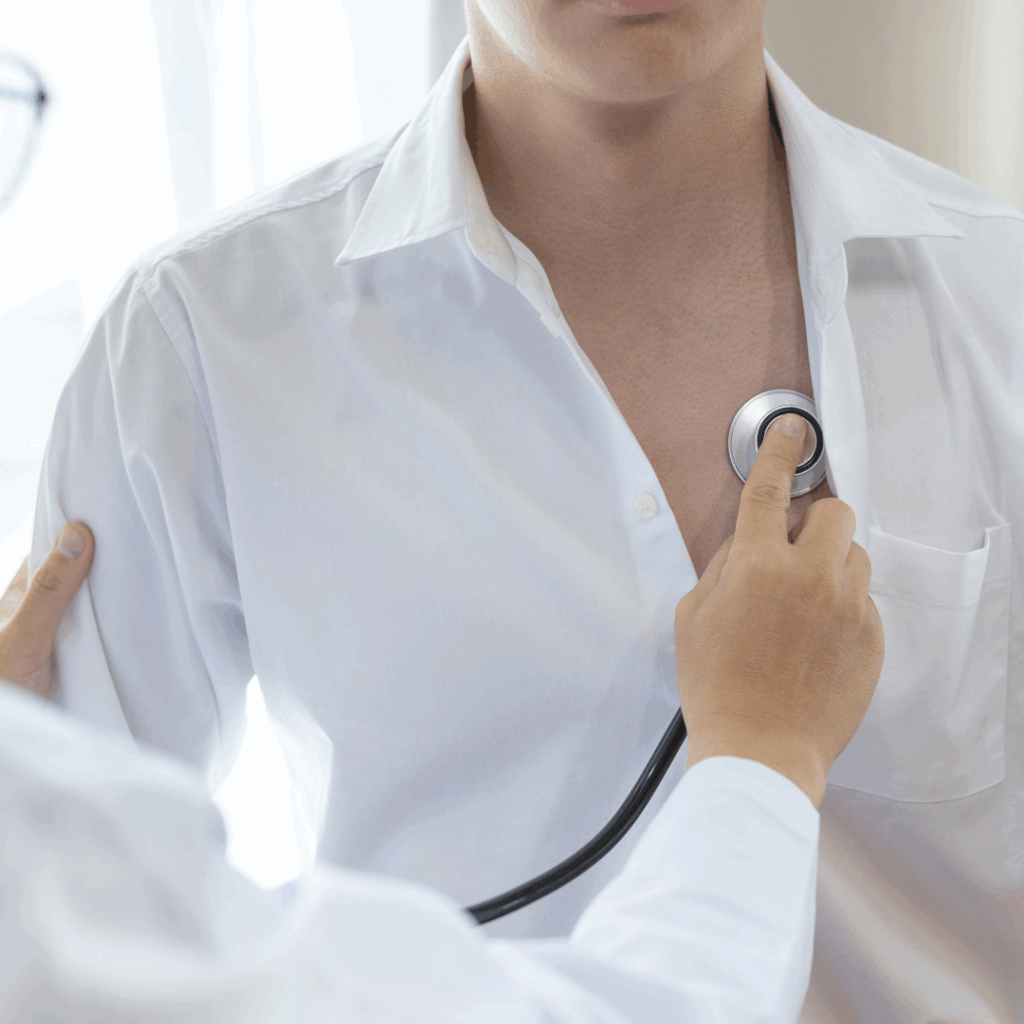
During the physical exam, they may detect a pulsating mass in the abdomen or listen for unusual sounds (bruits) in the blood vessels using a stethoscope, which can signal turbulent blood flow caused by an aneurysm.

Imaging tests are the most reliable way to confirm the presence and size of an aneurysm. Ultrasound is commonly used as a first-line, non-invasive test to detect abdominal aortic aneurysms.

For more precise evaluation, CT angiography (CTA) and MRI angiography (MRA) provide detailed images of the blood vessels, allowing doctors to measure the aneurysm and determine its exact location and shape. These scans are essential for planning endovascular treatment.


How We Can Help?

We also provide long-term support for those who have gone through treatments and need further assistance. Our team of specialists at the clinic will be with them every step of the way and even after they finish their treatment.

We offer practical advice on how to navigate life in a new environment, while also providing psychological support and counseling to help individuals adjust back into daily life as quickly as possible.

Finally, we are committed to helping our patients build a foundation that helps them live healthy and productive lives after receiving treatment. This can include setting up personalised recovery plans, recommending lifestyle habits such as exercise or nutrition counselling, or even referring patients to other services like rehabilitation programmes when needed.  Do To know more you can follow us on Facebook.