







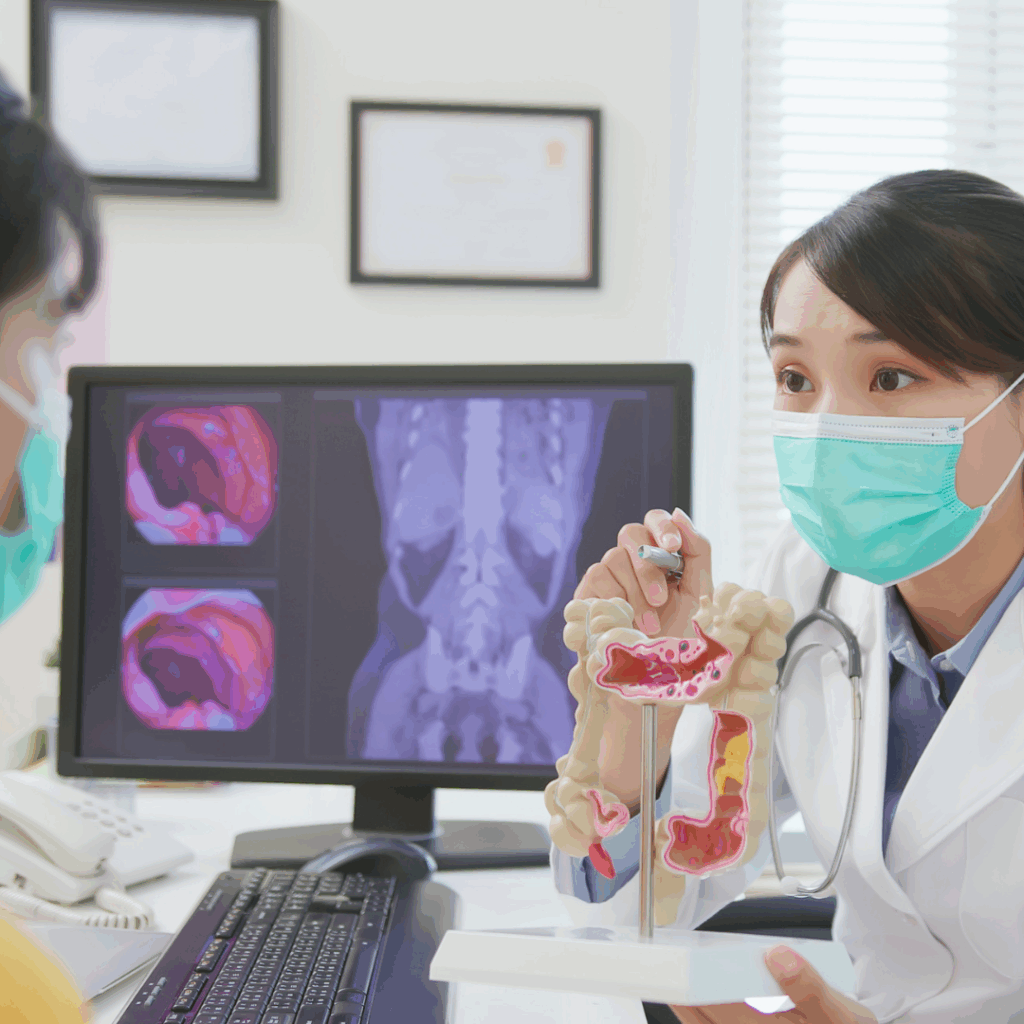


Gastrointestinal (GI) cancer treatment depends on the type of cancer, its stage, size, and whether it has spread to other organs. Common treatment options include surgery, radiation therapy, and chemotherapy. In early stages, surgery is often performed to remove the tumor and affected tissue, which may involve procedures like partial colectomy, gastrectomy, or liver resection depending on the organ involved.
Radiation therapy uses high-energy rays to destroy cancer cells and may be combined with chemotherapy for advanced or locally spread cancers. Chemotherapy involves the use of drugs that target rapidly dividing cancer cells and is typically used in cases where the cancer has metastasized or as an adjunct to surgery. Targeted therapy and immunotherapy are newer approaches that either attack specific cancer cell markers or enhance the immune system’s ability to fight the disease.
Post-treatment care is an essential part of recovery. Patients may require regular follow-ups, nutritional support, and counseling to manage side effects and improve overall quality of life. Lifestyle adjustments, including maintaining a balanced diet, staying physically active, avoiding alcohol and smoking, and managing stress, can support recovery and reduce the risk of cancer recurrence.