




Lung Cancer

Lung Cancer: What Is It?

Lung cancer is a type of cancer that begins in the lungs, the organs responsible for oxygen exchange in the body. It is one of the most common cancers worldwide, often linked to smoking, but it can also occur in non-smokers due to genetic factors or environmental exposure to substances like radon or asbestos. The two main types are small cell lung cancer (SCLC) and non-small cell lung cancer (NSCLC).

Symptoms can vary depending on the type and stage of the cancer. Common signs include a persistent cough, chest pain, shortness of breath, coughing up blood, unexplained weight loss, and fatigue. Early detection is key to improving outcomes.

Risk factors for lung cancer extend beyond smoking and environmental exposure. A family history of lung cancer, chronic lung diseases such as COPD, and long-term exposure to air pollution can also increase the likelihood of developing the disease. Understanding these risks and undergoing timely screenings, especially for high-risk individuals, plays a crucial role in prevention and early diagnosis.

Types of Lung Cancer

Non-Small Cell Lung Cancer (NSCLC)  This is the most common type, accounting for approximately 85% of cases. It includes subtypes such as adenocarcinoma, squamous cell carcinoma, and large cell carcinoma.

Small Cell Lung Cancer (SCLC) Comprises approximately 15% of cases, known for rapid growth and early spread.


Causes and Risk Factors

Lung cancer develops when abnormal cells in the lungs grow uncontrollably, often due to exposure to harmful substances or genetic changes.

Smoking is the leading cause, as tobacco smoke contains carcinogens that damage lung tissue over time. Secondhand smoke also increases risk. Environmental factors like prolonged exposure to radon gas, asbestos, and air pollution can contribute.

Genetic predisposition plays a role, with some individuals inheriting mutations that heighten susceptibility. Occupational hazards, such as working with chemicals like arsenic or diesel exhaust, can elevate risk.

Additionally, personal factors like age (most cases occur in people over 65) and a history of lung diseases such as chronic obstructive pulmonary disease (COPD) or tuberculosis may increase likelihood. Even non-smokers can develop lung cancer due to these risk factors combined with genetic vulnerabilities.

Clear Recognition of Symptoms

Early detection of lung cancer relies on recognising the warning signs. Common indicators include a persistent cough that doesn’t go away, coughing up blood, chest pain, shortness of breath, wheezing, hoarseness, unexplained weight loss.

Faster Intervention and Better Outcomes

Identifying lung cancer early allows doctors to recommend timely treatment, which may involve less aggressive therapies and improved survival rates. Prompt medical attention, along.

Minimally Invasive Approach

Instead of one large incision, the surgeon operates through a few small keyhole incisions. This leads to less blood loss, reduced need for blood transfusions, and minimal scarring.

Make Your Health Journey to India Seamless & Stress-Free

In a country known for world-class care and compassion, don’t get lost in the process. Start your healing with guidance you can trust.

No hidden charges. Just honest, personalised advice to make your medical trip to India safe and successful.

What Factors Lead To Cervical cancer?

Advanced Medical Technology and Training

A key factor in lung cancer treatment is the advancement of modern medical technologies, including robotic-assisted surgery, minimally invasive thoracic procedures, and image-guided radiation therapy. These innovations provide surgeons and oncologists with enhanced precision, 3D visualization, and better dexterity compared to traditional methods, making them highly effective for treating delicate lung tissues and surrounding structures.

Clinical Benefits for Patient Outcomes

Advanced treatment approaches for lung cancer offer significant benefits for patients. Minimally invasive and robotic-assisted techniques often result in reduced blood loss, smaller incisions with less pain and scarring, shorter hospital stays, and faster recovery times. Precision in surgery and radiation therapy also helps preserve healthy lung function, improving breathing capacity and overall quality of life.

Surgeon Expertise and Patient Preference

The adoption of advanced lung cancer treatments is driven by surgeon expertise and patient preference. More thoracic surgeons are being trained in robotic and minimally invasive techniques, while patients increasingly choose these methods for quicker recovery and reduced post-operative discomfort. Continuous investment in advanced technologies has made them a standard option in lung cancer care worldwide.
Diagnosis of Lung Cancer

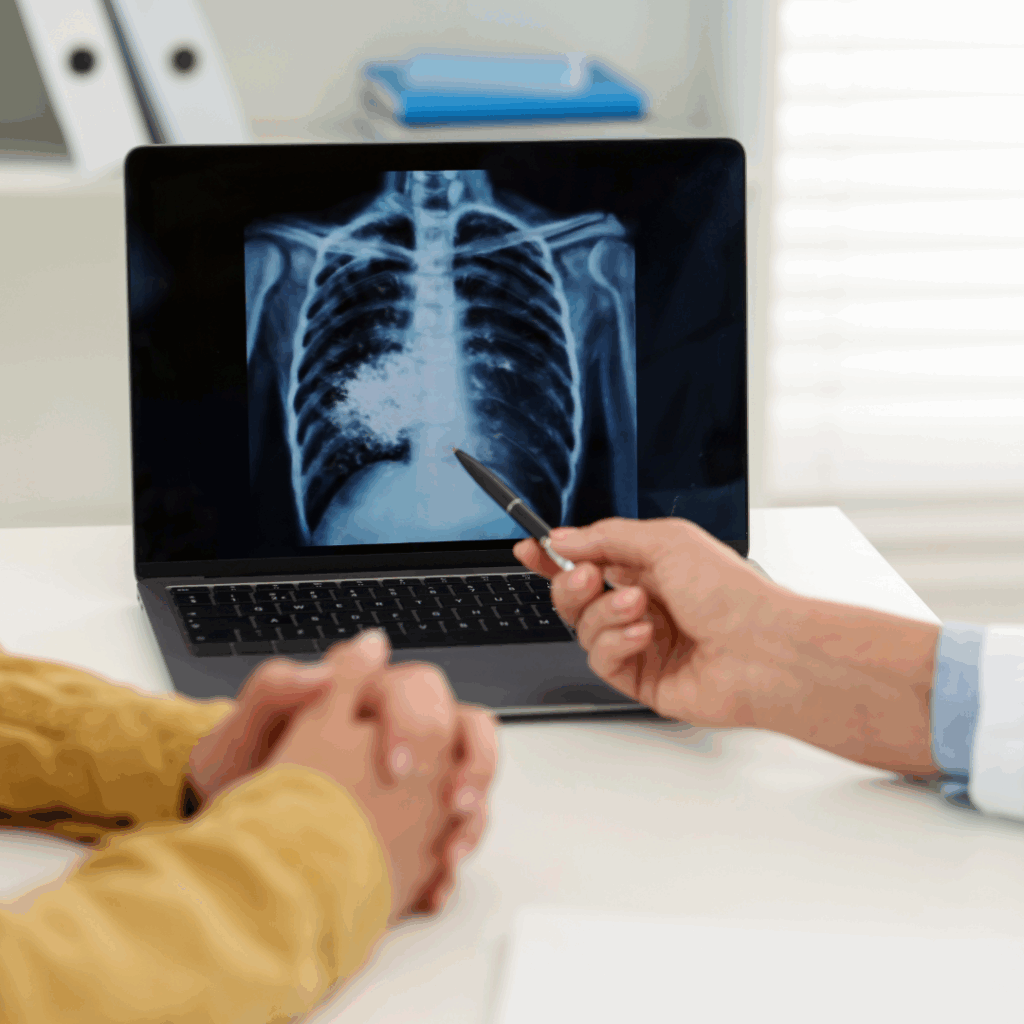
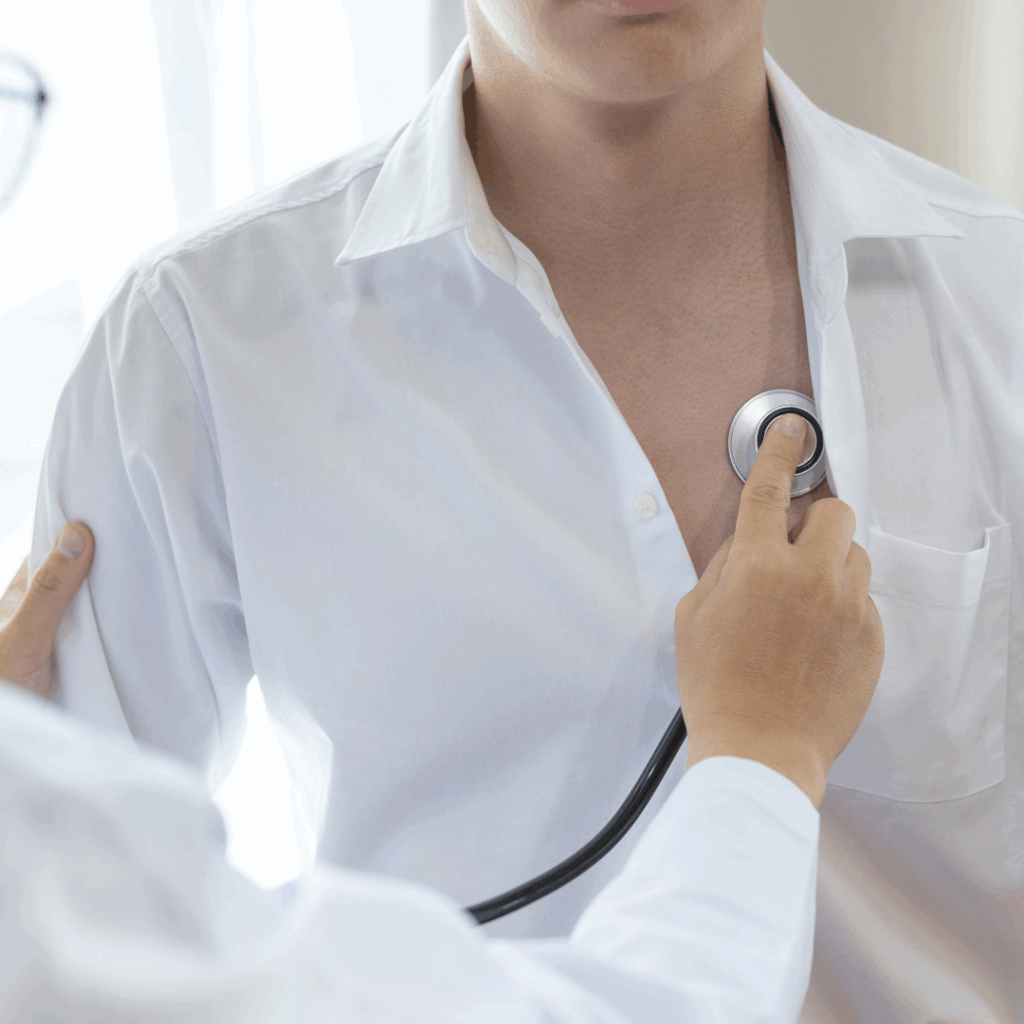
Diagnosis of lung cancer typically begins with a review of medical history, symptoms, and risk factors such as smoking or environmental exposures. A physical examination is followed by imaging tests like chest X-rays and CT scans, which help identify abnormal growths in the lungs. If cancer is suspected, further tests are conducted to confirm the diagnosis.

A biopsy, where a small tissue sample is taken from the lung, is the most definitive diagnostic method. This can be performed using bronchoscopy, needle aspiration, or surgical methods. Additional tests, such as PET scans or MRI, may be done to determine if the cancer has spread (staging).

Blood tests can also provide supportive information. Accurate diagnosis and staging are essential to guide treatment decisions, which may include surgery, chemotherapy, radiation, or targeted therapies.

Treatment Options for Lung Cancer

Treatment strategies depend on cancer type, stage, and patient health:

  • Surgery: Removal of cancerous tissue, typically for early-stage NSCLC.

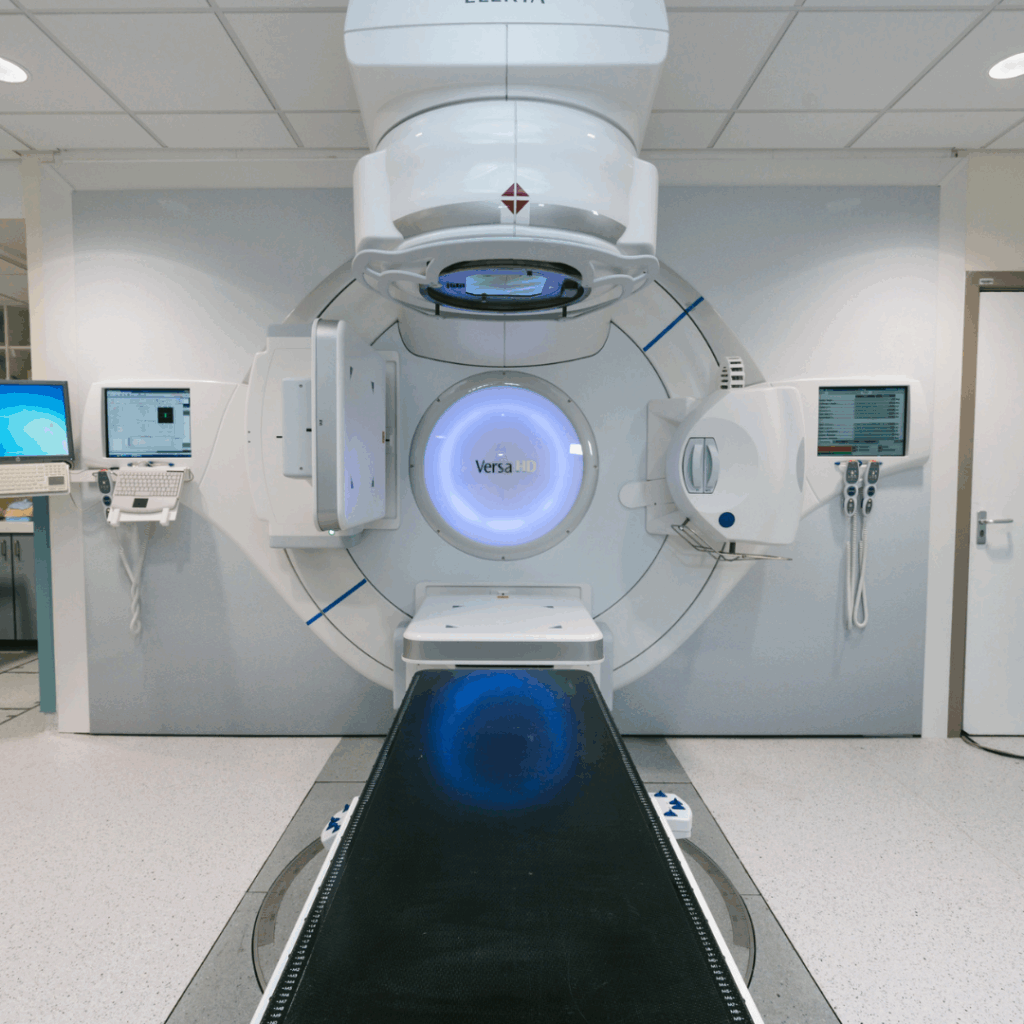
  • Radiation Therapy: High-energy rays target and kill cancer cells.

  • Chemotherapy: Drugs administered to destroy cancer cells, often used for SCLC.

  • Targeted Therapy: Medications designed to attack specific cancer cell mutations.

  • Immunotherapy: Boosts the immune system to recognize and combat cancer cells.

How We Can Help?

We also provide long-term support for those who have gone through treatments and need further assistance. Our team of specialists at the clinic will be with them every step of the way and even after they finish their treatment.

We offer practical advice on how to navigate life in a new environment, while also providing psychological support and counseling to help individuals adjust back into daily life as quickly as possible.

Finally, we are committed to helping our patients build a foundation that helps them live healthy and productive lives after receiving treatment. This can include setting up personalised recovery plans, recommending lifestyle habits such as exercise or nutrition counselling, or even referring patients to other services like rehabilitation programmes when needed.  Do To know more you can follow us on Facebook.