
Heart Bypass Surgery in India
What is Heart Bypass Surgery or Coronary Artery Bypass Grafting (CABG)?
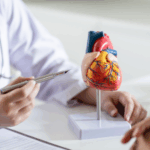
Heart bypass surgery, medically known as Coronary Artery Bypass Grafting (CABG), is a specialised cardiac procedure performed to restore normal blood flow to the heart when coronary arteries become severely blocked. In CABG surgery, a healthy blood vessel—taken from the leg, arm, or chest—is grafted onto the affected artery to create a new pathway for blood, ensuring the heart muscle receives sufficient oxygen. This surgery is highly effective in reducing chest pain, improving heart function, and lowering the risk of heart attack in patients with advanced coronary artery disease. Today, patients can also benefit from minimally invasive heart bypass surgery (minimally invasive CABG), which uses smaller incisions and advanced techniques for quicker recovery and reduced hospital stays. For international patients, CABG in India has become a popular choice due to world-class hospitals, experienced cardiac surgeons, and affordable treatment packages. Compared globally, the cost of CABG in India is far lower than in countries like the US, UK, or Australia, while still maintaining international healthcare standards and offering both conventional and minimally invasive options.
Why Choose India for Heart Bypass Surgery (CABG)?
India has emerged as one of the leading destinations for heart bypass surgery (CABG), attracting thousands of patients from around the world each year. The combination of advanced medical technology, expert surgeons, and cost-effective treatment makes CABG in India a preferred choice.
Here’s why patients choose India for CABG:

World-class hospitals
India is home to internationally accredited cardiac centres equipped with state-of-the-art technology for both traditional and minimally invasive CABG.

Highly experienced cardiac surgeons
Indian surgeons perform a large volume of bypass procedures annually, ensuring high success rates and global recognition.

Affordable treatment packages
The cost of CABG in India is significantly lower—often 60–80% less than in the US, UK, or Australia—while maintaining international standards of care.

Advanced techniques
Patients can access conventional open-heart CABG, off-pump CABG, and robotic-assisted or minimally invasive bypass surgery.
Minimal waiting times
Unlike many Western countries, patients in India benefit from timely scheduling and immediate medical attention.

Comprehensive patient care
Hospitals provide end-to-end services, including pre-operative evaluations, surgery, rehabilitation, and post-operative follow-up.

Medical tourism support
From visa assistance to travel coordination and comfortable recovery options, India offers a complete support system for international patients.
By choosing heart bypass surgery (CABG) in India, patients gain access to world-class cardiac care, personalized treatment, and long-term health benefits—all at a fraction of the cost compared to Western countries.
Make Your Health Journey to India Seamless & Stress-Free
In a country known for world-class care and compassion, don’t get lost in the process. Start your healing with guidance you can trust.
No hidden charges. Just honest, personalised advice to make your medical trip to India safe and successful.
Why Do People Need Heart Bypass Surgery?
People may require heart bypass surgery—also called Coronary Artery Bypass Grafting (CABG)—when their coronary arteries, which supply blood to the heart muscle, become severely narrowed or blocked due to coronary artery disease (CAD). Reduced blood flow limits oxygen delivery to the heart, increasing the risk of chest pain, heart attacks, and even heart failure if left untreated.
Here are the main reasons why surgery becomes necessary:

Severe Coronary Artery Blockage
When one or more major coronary arteries are blocked by plaque (cholesterol, fat, and other substances), blood cannot flow freely to the heart muscle. This can lead to angina (chest pain), shortness of breath, and fatigue, especially during exertion.

High Risk of Heart Attack
Significant blockages increase the risk of myocardial infarction (heart attack). CABG lowers this risk by creating a new path for blood to bypass the obstruction.

Ineffective Results from Other Treatments
Sometimes medications, lifestyle changes, or less invasive procedures such as angioplasty and stenting are not enough to relieve symptoms or restore proper blood flow. In such cases, bypass surgery becomes the best option.
Multiple Blocked Arteries
Patients with several blocked arteries or blockages in critical areas (such as the left main coronary artery) often require bypass surgery because stenting alone may not provide a lasting solution.

Severe Symptoms Affecting Quality of Life
Persistent chest pain, shortness of breath, and reduced exercise capacity despite medication often make surgery necessary to improve quality of life and enable patients to return to normal daily activities.
CABG Techniques Explained: Which Heart Bypass Surgery is Right for You?
1. Traditional Coronary Artery Bypass Grafting (CABG)
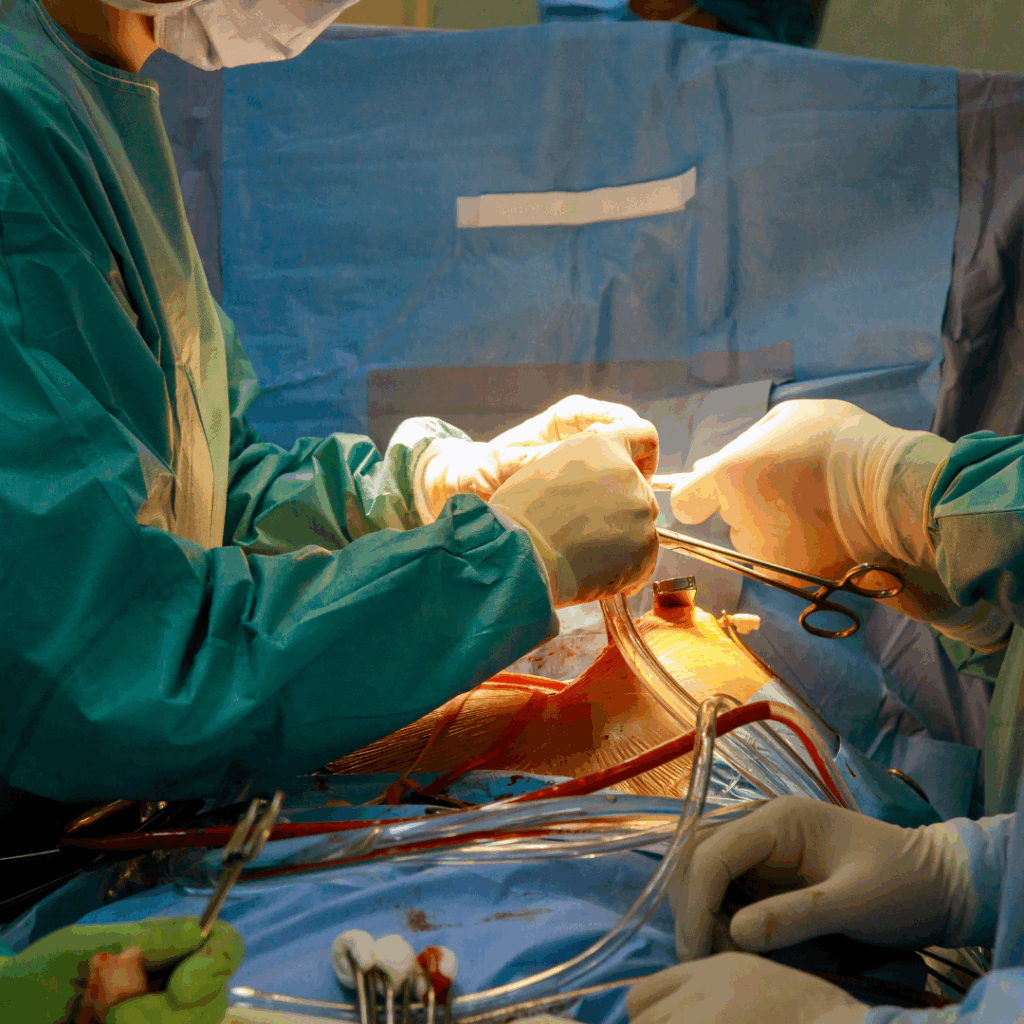
This is the most common form of heart bypass surgery. It involves making a large incision in the chest, temporarily stopping the heart, and using a heart-lung machine to maintain blood circulation and oxygen supply. Surgeons then graft healthy blood vessels—usually from the leg, arm, or chest—to bypass the blocked coronary arteries.
2. Off-Pump Coronary Artery Bypass (Beating-Heart Surgery)
In this technique, the surgery is performed while the heart is still beating, eliminating the need for a heart-lung machine. This approach reduces some of the risks associated with the machine, such as blood clots or kidney complications, and is often recommended for patients who may not tolerate traditional CABG well.
3. Minimally Invasive Direct Coronary Artery Bypass (MIDCAB)
This method uses smaller incisions and specialised instruments, avoiding the need to open the entire chest. It is generally suitable for patients with blockages in only one or two arteries, offering faster recovery, reduced pain, and minimal scarring.
4. Robot-Assisted Coronary Artery Bypass Surgery
A highly advanced technique, robotic arms controlled by the surgeon perform the bypass with exceptional precision. This method results in smaller incisions, reduced discomfort, and a quicker return to normal activities. However, it is available only in specialised cardiac centres with the necessary technology and expertise.
5. Hybrid Coronary Revascularisation
This innovative approach combines bypass surgery with angioplasty and stenting in a single procedure. It is ideal for patients with multiple blockages, allowing some arteries to be treated surgically while others receive stents.
The Heart Bypass Surgery (CABG) Procedure
Heart bypass surgery, or Coronary Artery Bypass Grafting (CABG), is a carefully planned operation performed to restore blood flow to the heart muscle. The procedure typically involves several key steps to ensure safety and effectiveness.
From Pain Relief to Longer Life: Benefits of Heart Bypass Surgery
Heart bypass surgery (CABG) offers a wide range of benefits for patients with severe coronary artery disease, making it one of the most effective treatments to restore heart health and improve quality of life.
Key benefits include:
- Relief from chest pain (angina): CABG reduces or eliminates chest discomfort by bypassing blocked arteries.
- Improved blood flow: A grafted vessel ensures oxygen-rich blood reaches the heart muscle more effectively.
- Lower risk of heart attack: By restoring circulation, the surgery decreases the likelihood of future cardiac events.
- Better heart function: Patients often experience improved pumping capacity and reduced strain on the heart.
- Enhanced quality of life: Many regain energy, mobility, and confidence to resume daily activities.
- Increased life expectancy: CABG has been shown to improve long-term survival, especially in patients with multiple blockages.
- Advanced minimally invasive options: Selected patients can benefit from robotic-assisted or minimally invasive procedures, ensuring quicker recovery and reduced scarring.
For international patients, choosing heart bypass surgery in India provides not only these medical advantages but also access to world-class cardiac care at an affordable cost. Indian hospitals are renowned for highly experienced surgeons, modern infrastructure, and strict safety standards, making the country a trusted destination for cardiac treatment.
Heart Bypass Surgery (CABG) – Risk Factors Explained
Every surgical procedure carries some degree of risk, and heart bypass surgery (CABG), being a type of open-heart surgery, is no exception. The likelihood of complications depends on several factors, including the patient’s age, the number of bypasses required, overall health, and any pre-existing medical conditions.
Common risks of CABG include:
- Infections at the incision or graft site
- Arrhythmia (irregular heart rhythms)
- Heart attack due to post-surgery blood clotting
- Kidney problems or reduced kidney function
- Stroke during or after the procedure
- Poor wound healing, especially in diabetic patients
- Temporary memory loss or difficulty concentrating
The presence of underlying conditions such as diabetes, COPD (chronic obstructive pulmonary disease), kidney disease, or arterial blockages in the legs may further increase these risks. Emergency CABG procedures generally carry a higher risk compared to planned surgeries.
To reduce complications, doctors often prescribe medications before and after surgery to control bleeding, manage blood pressure, prevent infections, and regulate blood sugar levels in diabetic patients.
For international patients, choosing open heart surgery in India provides the added reassurance of world-class cardiac care at an affordable cost. Leading hospitals in India combine advanced surgical techniques, strict safety protocols, and highly experienced surgeons to achieve excellent outcomes while minimising risks.
For patients undergoing open heart surgery in India, the risks are minimised due to:
- World-class hospitals with advanced surgical facilities
- Highly skilled and experienced cardiac surgeons
- Strict safety and infection-control protocols
- Affordable treatment without compromising international standards of care

Cost of Heart Bypass Surgery (CABG) in India
| Type of CABG Surgery in India | Approximate Cost (USD) |
|---|---|
| Traditional CABG (Open-Heart Surgery) | $4,000 – $6,000 |
| Off-Pump CABG (Beating Heart Surgery) | $4,500 – $6,500 |
| Minimally Invasive CABG | $5,000 – $7,000 |
| Robotic-Assisted CABG | $6,000 – $8,500 |
Why India is a Cost-Effective Choice for CABG
Heart bypass surgery in India (CABG) offers world-class cardiac care at a fraction of the cost compared to Western countries. Indian hospitals are internationally accredited and equipped with advanced technology. Costs vary depending on the type of surgery, hospital facilities, city, surgeon’s expertise, and the complexity of the patient’s condition.
Exclusions (Not Included in the CABG Cost)
- Travel and accommodation expenses for international patients
- Meals and personal expenses outside the hospital
- Additional treatments for pre-existing medical conditions not related to CABG
- Costs for complications arising after discharge (unless otherwise specified)
- Optional services like private nursing, luxury rooms, or concierge assistance
Factors That May Affect the Cost
- Number of grafts required (single, double, triple, or more)
- Choice of hospital and city (Delhi, Mumbai, Chennai, Bangalore, etc.)
- Type of procedure (traditional, off-pump, minimally invasive, or robotic-assisted)
- Patient’s age and pre-existing medical conditions
What’s Typically Included in the CABG Cost in India
- Pre-operative evaluations and diagnostic tests
- Surgeon’s fees and surgical team charges
- Hospital stay including ICU care
- Medicines and consumables used during surgery
- Post-operative follow-up and rehabilitation support

Advantages for International Patients
Patients opting for heart bypass surgery in India benefit from shorter waiting times, expert surgeons, personalised care, and advanced surgical options. Many hospitals also provide medical tourism support, including visa assistance, travel planning, and comfortable accommodation.
Overall, undergoing CABG in India ensures access to high-quality treatment, excellent post-surgery care, and a cost-effective solution for life-saving cardiac surgery.
How to Prepare for Heart Bypass Surgery – Before and After
Preparing for heart bypass surgery (Coronary Artery Bypass Grafting or CABG) is crucial for a successful procedure and smooth recovery. Both pre-surgery and post-surgery steps play a vital role in ensuring the best outcomes.
Before Heart Bypass Surgery

Medical Assessment
Your doctor will perform a detailed evaluation, including blood tests, ECG, chest X-rays, and sometimes a coronary angiogram. These tests help determine the severity of your condition and overall health.
Manage Medications
Inform your doctor about all medications, supplements, or herbal products you take. You may be asked to stop certain drugs, such as blood thinners and aspirin, several days before the surgery to reduce bleeding risks.
Lifestyle Adjustments
If you smoke, quit immediately, as smoking can delay healing and increase complications. Eat a balanced diet and follow any exercise or activity advice given by your doctor to strengthen your body before the surgery.
Fasting and Pre-Operative Instructions
You will likely need to fast (no food or drink) for 8–12 hours before the surgery. Follow all instructions from your surgical team regarding hygiene, medication, and hospital admission time.
Mental Preparation
Heart surgery can be overwhelming, so it’s important to prepare emotionally. Ask your doctor questions, talk to your family for support, and consider counseling if needed to reduce anxiety.
Practical Arrangement
Pack essentials for your hospital stay and arrange transportation for your return home. Make plans for help at home during your initial recovery period.
After Heart Bypass Surgery

Immediate Recovery in ICU
Post-surgery, you will stay in the intensive care unit (ICU) for close monitoring of your heart function, breathing, and vital signs.
Pain Management and Wound Care
Mild pain or discomfort is normal. Your care team will provide medications and instructions for incision care to prevent infection.
Gradual Physical Activity
Initially, movement will be limited. Over time, walking and light exercises are introduced to improve circulation and aid healing. Cardiac rehabilitation programs may be recommended.
Diet and Lifestyle
A heart-healthy diet low in fat, salt, and cholesterol will be essential. Continue avoiding smoking and limit alcohol consumption.
Follow-Up Appointments
Regular follow-up visits are important to monitor your progress, check the healing of the incision, and adjust medications if needed.
Emotional Recovery
It is normal to feel tired, anxious, or even depressed after surgery. Support from family, friends, or counseling services can help during this period.
What Happens After Bypass Surgery?
After heart bypass surgery (Coronary Artery Bypass Grafting or CABG), recovery is a step-by-step process that involves hospital care, physical rehabilitation, and long-term lifestyle changes. Here’s what you can typically expect:
1. Immediate Recovery in the ICU
After surgery, you will be moved to the intensive care unit (ICU) for close monitoring. You’ll be connected to machines that track your heart rate, blood pressure, and oxygen levels.
2. Hospital Stay
Most patients stay in the hospital for 5–7 days after CABG. During this time, the care team monitors your recovery, manages pain, and checks for complications like infection, bleeding, or irregular heart rhythms.
3. Managing Pain and Incision Care
You may feel soreness in the chest and areas where grafts were taken (leg or arm). Your doctor will provide pain relief and guide you on how to keep the incision clean and dry to prevent infection.
4. Gradual Physical Activity
Initially, you will start with light activities such as sitting up, walking short distances, and breathing exercises. Most patients are encouraged to join a cardiac rehabilitation program after discharge to regain strength and improve heart health.
5. Diet and Lifestyle Changes
Adopting a heart-healthy lifestyle is essential after surgery. This includes a diet low in saturated fat, cholesterol, and salt, regular exercise, quitting smoking, and managing stress to prevent future heart problems.
6. Follow-Up Care
You’ll have regular follow-up appointments with your cardiologist to monitor your heart function, incision healing, and medication adjustments. These visits are critical to ensure long-term success of the surgery.
Important Things to Know About Your Recovery After Heart Bypass Surgery
Recovering from heart bypass surgery is a gradual process that requires patience, proper care, and healthy lifestyle adjustments to achieve the best possible results. Immediately after the procedure, most patients spend a few days in the intensive care unit (ICU), where heart function, breathing, and vital signs are closely monitored. Once stable, you will be moved to a regular hospital room, and in most cases, patients are discharged within a week.
At home, it is essential to follow your doctor’s instructions carefully. Proper wound care helps prevent infection, prescribed medications must be taken on time, and pain should be managed effectively. Light physical activity, such as short walks, is usually encouraged soon after surgery to promote circulation and healing while reducing the risk of complications like blood clots.
Gradually, your recovery will include more structured exercises, often through a cardiac rehabilitation program. These programs are designed to strengthen your heart, restore stamina, and safely guide you back to normal activities. Along with physical recovery, adopting a heart-healthy lifestyle is critical — a diet low in fat, salt, and cholesterol, quitting smoking, managing stress, and maintaining a healthy weight all play a key role in protecting your heart.
Emotional changes are also common after surgery. It’s normal to feel anxious, low in energy, or even depressed during recovery. Seeking emotional support from family, professional counseling, or joining a cardiac support group can be very helpful in this phase.
Regular follow-up appointments with your cardiac team are vital to monitor your progress, adjust medications, and ensure your heart continues to heal properly.
For patients who travel for treatment, heart bypass surgery in India offers the advantage of expert cardiac care, personalised recovery plans, and access to comprehensive rehabilitation programs — all at internationally recognised hospitals that focus on both medical and emotional support during recovery.
Frequently Asked Questions About Heart Bypass Surgery
Here are some frequently asked questions about Heart Bypass Surgery in India
CABG is a surgical procedure that improves blood flow to the heart by bypassing blocked or narrowed coronary arteries using grafts from veins or arteries elsewhere in the body.
Patients with severe coronary artery disease, recurrent angina, multiple blocked arteries, or poor response to medications may be advised to undergo heart bypass surgery in India.
- Traditional open-heart CABG
- Off-pump CABG (beating heart surgery)
- Minimally invasive CABG
- Robotic-assisted CABG
The cost ranges from USD 4,000 to USD 8,500 depending on the type of procedure, hospital, city, and patient condition.
Yes. Age alone is not a contraindication. Surgeons evaluate overall health, heart function, and other medical conditions before surgery.
Traditional CABG usually takes 3–6 hours, while minimally invasive and robotic-assisted procedures may take slightly longer depending on complexity.
Yes. Age alone is not a contraindication. Surgeons evaluate overall health, heart function, and other medical conditions before surgery.
Traditional CABG usually takes 3–6 hours, while minimally invasive and robotic-assisted procedures may take slightly longer depending on complexity.
Possible risks include infection, arrhythmia, bleeding, stroke, kidney problems, or temporary memory issues. Careful preoperative evaluation and modern surgical techniques reduce these risks.
Recovery typically takes 6–12 weeks. Minimally invasive procedures may allow for faster recovery and shorter hospital stays.
With proper lifestyle changes and medication, the benefits can last many years, reducing the risk of heart attacks and improving overall heart health.
In rare cases, if new blockages occur, repeat bypass surgery may be considered. Regular follow-ups and cardiac care help prevent complications.
CABG is a surgical bypass creating new pathways for blood flow, suitable for multiple or complex blockages. Angioplasty involves opening arteries with stents and is less invasive.
- Traditional CABG: 5–10 days Minimally
- invasive/robotic CABG: 3–7 days
Yes, patients are advised to follow a heart-healthy diet, low in saturated fat, cholesterol, and salt, while including fruits, vegetables, and whole grains.
Light activities can usually resume within 4–6 weeks. Full physical activity, including exercise, is generally possible after 6–12 weeks, based on medical advice.
Most hospitals include post-operative follow-ups, rehabilitation guidance, and monitoring in their CABG packages for international patients.
Yes, many hospitals offer complete support, including visa assistance, travel arrangements, airport transfers, accommodation, and language interpretation.
Yes. Hospitals carefully manage blood sugar levels before, during, and after surgery to minimize risks.
They offer benefits like smaller incisions, faster recovery, and less post-operative pain, but suitability depends on the patient’s condition and the number of blockages.
Yes, many hospitals offer complete support, including visa assistance, travel arrangements, airport transfers, accommodation, and language interpretation.
Yes. Hospitals carefully manage blood sugar levels before, during, and after surgery to minimize risks.
They offer benefits like smaller incisions, faster recovery, and less post-operative pain, but suitability depends on the patient’s condition and the number of blockages.
Common tests include ECG, echocardiogram, coronary angiography, blood tests, chest X-ray, and sometimes CT scans to evaluate heart condition.
Many domestic and international insurance policies cover CABG, but coverage depends on the policy terms. International patients should check with their providers before surgery.
Yes, emergency CABG is performed for patients with life-threatening blockages or heart attacks. Risks are higher compared to planned procedures.
Preparation includes stopping certain medications, fasting before surgery, and following the doctor’s pre-operative instructions carefully.
- Medications to prevent clotting and manage blood pressure
- Cardiac rehabilitation programs
- Healthy diet and exercise
- Regular follow-up visits
Yes. CABG has been shown to extend life, especially in patients with severe coronary artery disease or multiple blocked arteries.
Look for internationally accredited hospitals, experienced cardiac surgeons, advanced facilities, and support services for international patients.
Yes, patients are advised to quit smoking, maintain a balanced diet, exercise regularly, control blood pressure and cholesterol, and take prescribed medications.
- Cost-effective treatment
- World-class hospitals and surgeons
- Advanced technology and minimally invasive options
- Shorter waiting times
- Comprehensive medical tourism support
Make Your Health Journey to India Seamless & Stress-Free
In a country known for world-class care and compassion, don’t get lost in the process. Start your healing with guidance you can trust.
No hidden charges. Just honest, personalised advice to make your medical trip to India safe and successful.
How We Can Help?
We are committed to delivering comprehensive, patient-centered cardiac care. Our team of skilled cardiologists and cardiac surgeons specializes in advanced procedures like CABG, using cutting-edge technology and minimally invasive techniques whenever possible. If you experience symptoms such as chest pain, breathlessness, or fatigue, we recommend scheduling a consultation. From diagnosis through recovery, we provide personalized treatment plans designed to restore your heart health and improve your quality of life.
Best Doctors for Heart Bypass Surgery


Popular Hospitals for Heart Bypass Surgery