







Brain Cancer (Tumour) Treatment

Brain Cancer (Tumour): What Is It?

Brain cancer (tumour) is a serious health concern that affects thousands of people worldwide each year. In India, brain tumours are becoming an increasingly common cause of neurological illness and can significantly impact a patient’s quality of life. The positive news is that with advancements in medical technology, several effective treatment options are now available for brain cancer patients in India.

The most common treatments for brain cancer include surgery, radiation therapy, chemotherapy, targeted therapy, and immunotherapy. Depending on the type, size, and stage of the tumour, doctors may recommend a single treatment or a combination approach to achieve the best possible outcome.

Surgery is often the primary choice of treatment for brain tumours when the cancer is operable. During the procedure, the surgeon removes as much of the tumour as safely possible, while preserving critical brain functions. Advanced techniques such as image-guided surgery and minimally invasive approaches are now being used to improve accuracy and recovery.

Importance of Timely Diagnosis and Treatment

Brain cancer (tumour) is a serious condition that can be life-threatening if not diagnosed and treated at the right time. Early detection and treatment play a vital role in improving survival rates and preserving essential brain functions.

Timely diagnosis is especially important because brain tumours may not show noticeable symptoms in the early stages. Often, symptoms such as persistent headaches, vision problems, seizures, or difficulty with speech and movement appear only when the tumour has grown larger. By this time, treatment may become more complex and challenging.

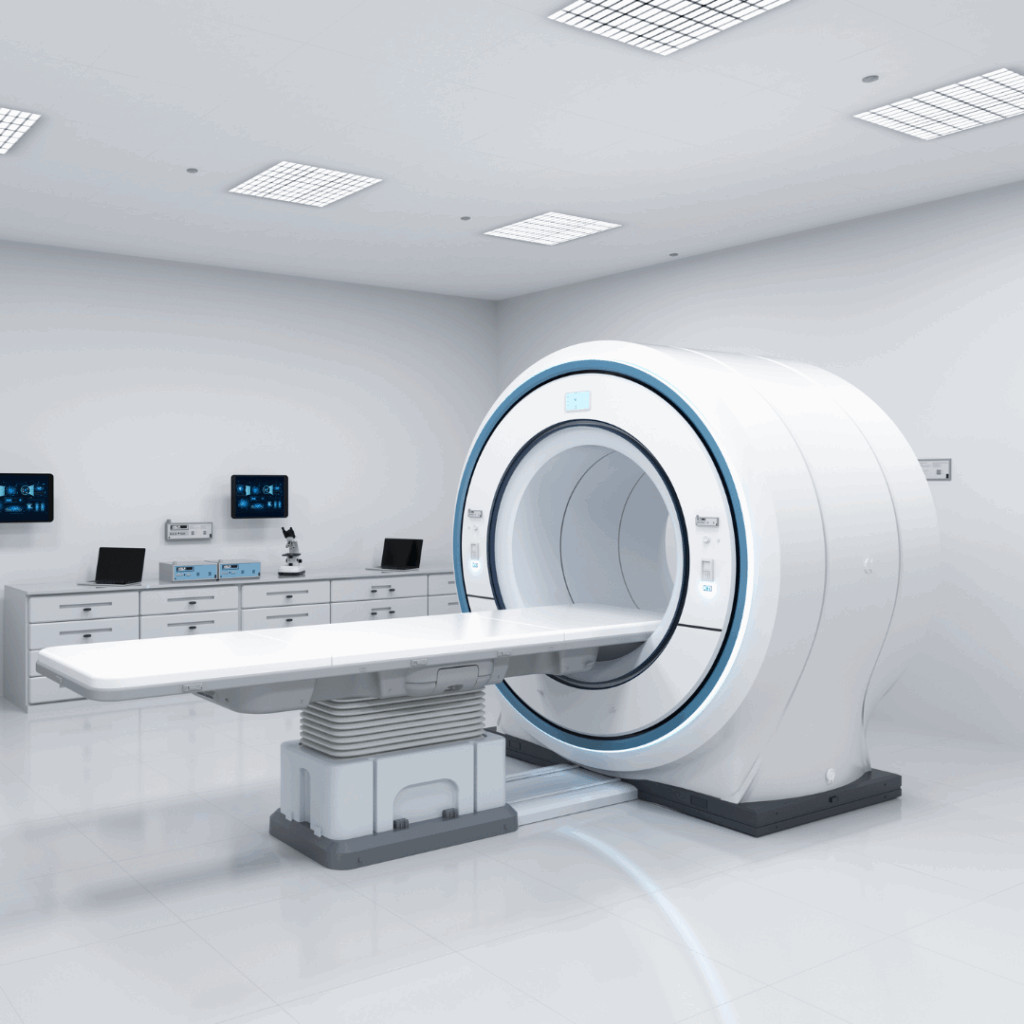
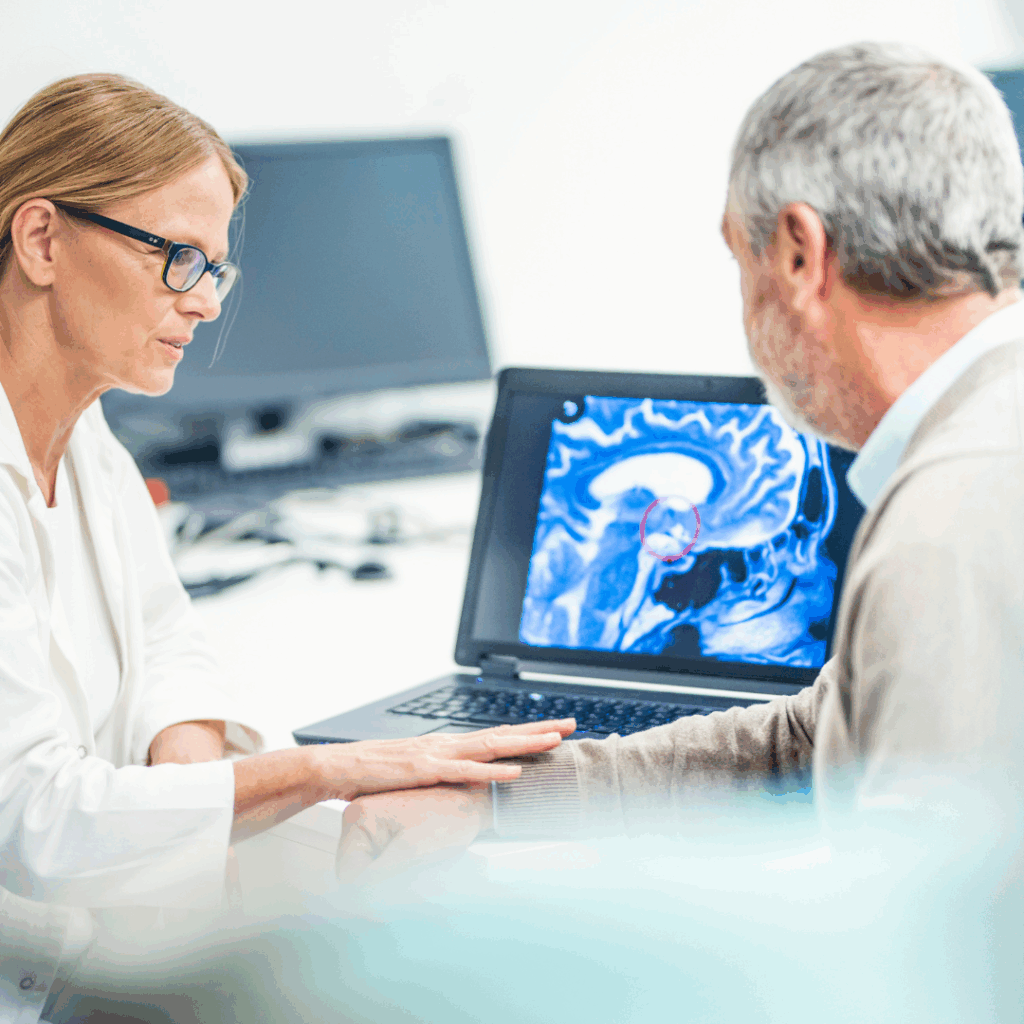
Early detection through imaging tests such as MRI, CT scans, and neurological evaluations can help identify brain tumours before they advance, allowing doctors to recommend effective treatment options at the right stage.

Diagnosis of Brain Cancer (Tumour) in India

Brain cancer is a serious health concern in India, with rising incidence and significant impact on patients’ lives. The diagnosis of brain tumours involves several methods, including neurological examinations, imaging tests, biopsy, and other specialised diagnostic procedures.

Neurological exams are often the first step, assessing vision, balance, coordination, reflexes, and memory to detect any abnormalities caused by a tumour. Imaging tests such as MRI, CT scans, and PET scans are then used to create detailed images of the brain, helping doctors identify the location, size, and nature of the tumour.

Biopsy remains the gold standard for diagnosing brain cancer. In this procedure, a small tissue sample is taken from the tumour and examined under a microscope to confirm the presence of cancer cells, determine the type of tumour, and guide treatment planning.

Clear Recognition of Symptoms

Early detection of brain cancer depends on recognising the warning signs. Common indicators include persistent headaches, vision or hearing problems, seizures, difficulty speaking, weakness in the limbs, and changes in behaviour or personality.

Faster Intervention and Better Outcomes

Identifying brain tumours early allows doctors to recommend timely treatment, which may involve less complex procedures and better recovery prospects. Prompt medical attention improves outcomes and increases the chances of successful management.

Minimally Invasive Approach

Instead of one large incision, the surgeon operates through a few small keyhole incisions. This leads to less blood loss, reduced need for blood transfusions, and minimal scarring.

Make Your Health Journey to India Seamless & Stress-Free

In a country known for world-class care and compassion, don’t get lost in the process. Start your healing with guidance you can trust.

No hidden charges. Just honest, personalised advice to make your medical trip to India safe and successful.

What Factors Lead To Brain Cancer (Tumour)?

Advanced Medical Technology and Training

A key factor in brain cancer treatment is the advancement of modern surgical systems, including robotic-assisted and minimally invasive techniques. These technologies provide surgeons with enhanced 3D visualization, superior precision, and improved dexterity compared to traditional surgery, making them highly effective for operating in the delicate brain and surrounding regions.

Clinical Benefits for Patient Outcomes

Advanced surgical approaches for brain tumours offer significant benefits for patients. These include reduced blood loss, smaller incisions leading to less pain and scarring, shorter hospital stays, and faster recovery times. The precision of these techniques also helps preserve healthy brain tissue and critical neurological functions, improving overall treatment outcomes.

Surgeon Expertise and Patient Preference

The adoption of advanced brain cancer treatments is influenced by surgeon training and patient demand. More neurosurgeons are being trained in robotic and minimally invasive procedures, and patients often prefer these approaches due to faster recovery and reduced post-operative discomfort. Investment in these technologies has made them an increasingly standard option in brain cancer care.

Diagnostic Tests Used for Detecting Brain Cancer (Tumour) (MRI, CT Scan, Biopsy)

Brain cancer is a serious health condition that can be life-threatening if not diagnosed and treated early. Early detection is crucial for successful treatment outcomes, and diagnostic tests play a vital role in identifying the disease at its earliest stage.

Several diagnostic tests are commonly used for detecting brain cancer, including MRI, CT scan, and biopsy. MRI is often the preferred test, as it uses magnetic fields and radio waves to create detailed images of the brain and surrounding structures. This non-invasive test is safe, painless, and highly effective in detecting abnormal growths or tumours.

CT scans are also widely used and provide detailed cross-sectional images of the brain, helping doctors identify the size, location, and extent of a tumour. Biopsy remains the gold standard for definitive diagnosis, where a small tissue sample from the tumour is examined under a microscope to confirm the presence and type of cancer cells.

Price Of Brain Cancer (Tumour) Treatment

The cost of brain cancer treatment depends on several factors, including the type, size, and stage of the tumour, as well as the treatment methods required.

Standard treatments such as surgery, radiation therapy, or chemotherapy may start at around $15,000–$25,000, while advanced procedures like targeted therapy, immunotherapy, or complex neurosurgical interventions can cost tens or even hundreds of thousands of dollars. Overall expenses also vary based on hospital facilities, specialist fees, and post-treatment care.

Insurance coverage may help cover part or all of the costs, depending on your policy and location. Additionally, various cancer support organisations and foundations provide financial assistance, grants, or patient aid programs to help ease the burden of treatment expenses.


How We Can Help?

We also provide long-term support for those who have gone through treatments and need further assistance. Our team of specialists at the clinic will be with them every step of the way and even after they finish their treatment.

We offer practical advice on how to navigate life in a new environment, while also providing psychological support and counseling to help individuals adjust back into daily life as quickly as possible.

Finally, we are committed to helping our patients build a foundation that helps them live healthy and productive lives after receiving treatment. This can include setting up personalised recovery plans, recommending lifestyle habits such as exercise or nutrition counselling, or even referring patients to other services like rehabilitation programmes when needed.  Do To know more you can follow us on Facebook.