Recovery after heart treatment is one of the most common concerns patients have once the procedure is over. Many people feel relieved that treatment is complete but quickly begin wondering how soon life can return to normal.
Questions like when you can walk independently, travel safely, or return to work are not just practical concerns; they are emotional ones tied to independence, responsibility, and confidence.
This guide is designed to help you understand realistic recovery timelines after heart treatment and how your body gradually regains strength. Every patient’s journey is different, but knowing what to expect can reduce anxiety and help you plan your next steps with clarity.
Why Recovery Timelines Differ From Patient to Patient
There is no universal timeline for recovery after heart treatment. Factors such as age, overall health, the type of heart condition, and the treatment method all play a role. Some patients recover quickly, while others need more time and support.
Your doctor considers how your heart responds to treatment, how well your body heals, and how active you were before treatment. Emotional well-being also affects recovery. Stress, fear, and lack of rest can slow healing, while positive support and patience can improve outcomes.
Understanding that recovery is a process rather than a fixed deadline helps set healthy expectations.
Walking After Heart Treatment: The First Step Toward Independence
Walking is usually the first physical activity encouraged after heart treatment. It plays a crucial role in improving circulation, preventing complications, and rebuilding confidence.
Walking in the Hospital
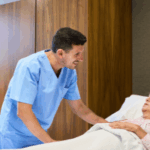
Most patients are encouraged to sit up and begin walking short distances within a day or two after treatment, depending on medical stability. These early walks may feel tiring, but they are carefully supervised and designed to support healing.
Even standing or taking a few steps helps the body adapt and reduces stiffness. Nurses and physiotherapists guide patients through these movements safely.
Walking at Home During Early Recovery
Once home, walking becomes part of daily routine rather than a medical task. Patients are usually advised to walk several times a day for short durations. Gradual increases in distance and time are encouraged based on comfort and energy levels.
Fatigue is normal during this stage. The goal is consistency, not speed or distance. Listening to your body and resting when needed is just as important as movement.
Long-Term Walking Goals
Over the following weeks, walking becomes easier and more enjoyable. Many patients find that walking improves mood, sleep quality, and overall confidence. Doctors often recommend walking as a lifelong habit to support heart health and maintain strength.
Traveling After Heart Treatment: When Is It Safe?
Traveling after heart treatment raises understandable concerns. Patients worry about long journeys, access to medical care, and physical strain.
Short Local Travel
Short car rides are usually permitted within a couple of weeks, provided the patient feels comfortable and avoids driving unless cleared by a doctor. Sitting for long periods should be avoided in early recovery, so frequent breaks are recommended.
Comfort is key. Wearing loose clothing, staying hydrated, and taking breaks to stretch help reduce discomfort.
Long-Distance Travel and Flights
Long-distance travel, including flights, is typically postponed for several weeks. The exact timing depends on the type of treatment and how well recovery is progressing.
Doctors assess factors such as heart stability, medication adjustments, and risk of complications before approving longer travel. Patients may be advised to carry medical records, medications, and emergency contact information when traveling.
For those who underwent treatment following a Heart disease diagnosis India, doctors often provide personalized travel guidance based on recovery progress and ongoing medical needs.
Emotional Readiness for Travel
Beyond physical readiness, emotional comfort matters. Some patients feel anxious about being far from their medical team. Planning carefully, choosing familiar destinations, and traveling with a companion can help reduce stress and restore confidence.
Returning to Work After Heart Treatment
Returning to work is a major milestone that represents a return to normalcy and purpose. However, timing should be guided by medical advice rather than external pressure.
Desk Jobs and Light Duties
Patients with desk jobs or light responsibilities may return to work within a few weeks, often on a part-time or flexible schedule. Shorter workdays help prevent fatigue and allow gradual adjustment.
Employers are often supportive when informed about recovery needs. Open communication helps create a smoother transition back to work.
Physically Demanding Jobs
Jobs involving heavy lifting, prolonged standing, or physical strain require longer recovery periods. Doctors assess strength, stamina, and heart response before clearing patients for such roles.
Rushing back to physically demanding work can increase the risk of complications. Patience during this phase protects long-term health.
Mental Focus and Work Performance
Some patients notice temporary difficulty with concentration or memory after heart treatment. This is usually short-lived and improves with rest and routine. Gradual reintegration into work helps rebuild mental focus without overwhelming the body.
Emotional Adjustment During Recovery
Physical healing is only one part of recovery. Emotional adjustment plays a significant role in how quickly patients regain confidence and independence.
It is normal to feel cautious or fearful about pushing physical limits. Some patients worry about triggering symptoms or damaging their heart. These fears often fade as strength improves and follow-up visits confirm progress.
Support from family, friends, and healthcare providers helps patients feel reassured and motivated. Emotional healing often follows physical recovery but should be given equal importance.
The Role of Cardiac Rehabilitation Programs
Cardiac rehabilitation programs are designed to guide patients safely through recovery. These programs combine supervised exercise, education, and emotional support.
Patients learn how to move confidently, manage medications, and adopt healthy habits. Rehabilitation also helps patients understand their physical limits and gradually expand them.
Signs That You May Be Pushing Too Hard
While progress is important, pushing too hard can slow recovery. Warning signs include persistent fatigue, chest discomfort, shortness of breath, dizziness, or swelling.
Patients are encouraged to report any concerning symptoms promptly. Adjusting activity levels early prevents setbacks and supports steady improvement.
Lifestyle Adjustments That Support Faster Recovery
Certain lifestyle choices can positively influence how quickly patients regain independence.
Healthy eating supports energy levels and healing. Staying hydrated helps circulation and reduces fatigue. Adequate sleep allows the body to repair itself.
Avoiding tobacco, limiting alcohol, and managing stress protect the heart and support long-term recovery.
Regaining Confidence in Daily Life
As patients resume walking, traveling, and working, confidence gradually returns. Small achievements build trust in the body’s ability to heal and adapt.
Many patients find that life after heart treatment feels more intentional. They become more aware of their health and more appreciative of everyday activities.
Long-Term Outlook After Heart Treatment
Most patients go on to live active, fulfilling lives after heart treatment. Recovery does not mean limitation; it means learning how to care for your heart in a sustainable way.
Walking becomes a habit, travel becomes enjoyable again, and work regains its sense of purpose. With medical guidance, emotional support, and patience, the body adapts and grows stronger.
Understanding recovery timelines helps remove fear and replace it with realistic hope. Heart treatment is not the end of normal life; for many, it is the beginning of a healthier and more balanced one.