


Rhabdomyosarcoma Treatment

Rhabdomyosarcoma Treatment In India

An uncommon form of cancer called rhabdomyosarcoma primarily affects adolescents and young children. Although it can happen everywhere on the body, it usually affects the head and neck, limbs and legs, as well as the reproductive and urinary systems. In India, rhabdomyosarcoma can be treated with surgery, chemotherapy, radiation therapy, and supportive care. There are numerous variables that can affect survival. 

Depending on the kind of RMS implicated, patient outcomes vary greatly, with 5-year survival rates ranging from 35% to 95%; therefore, a correct diagnosis is crucial for efficient therapy and management. Accurate and prompt diagnosis is typically inappropriate because of the variety of Rhabdomyosarcoma tumors and the lack of potent genetic markers for the disease.

Compared to other wealthy nations like the USA and the UK, the overall cost of rhabdomyosarcoma therapy in India is fairly affordable. Major improvements in the management of rhabdomyosarcoma have been made in India. For the remainder of their lives, people must be watched for any potential side effects from rigorous chemotherapy and radiation.

Rhabdomyosarcoma: What is It?

One of the cancer kinds that affect the muscles is rhabdomyosarcoma. In kids and teenagers, it is most common. Mesenchymal cells, which form muscles, are where the disease first manifests itself. Rhabdomyosarcoma causes one or more tumors when the cells alter and grow out of control. Although rhabdomyosarcoma can grow everywhere on the body, the following regions are where it is most frequently found:

  • Legs and arms
  • Neck and head
  • Bladder or other urinary systems
  • Reproductive systems that include the uterus, testicles, and vagina


Rhabdomyosarcoma is one of a rare list of cancers. Only 700 people a year worldwide receive a diagnosis. They are mostly young youngsters or teenagers. Rhabdomyosarcomas fall into the following categories:

  • Embryonal Rhabdomyosarcoma
  • Botryoid Rhabdomyosarcoma
  • Spindle Rhabdomyosarcoma
  • Alveolar Rhabdomyosarcoma
  • Pleomorphic and Undifferentiated Rhabdomyosarcoma


The prognosis and treatment options are influenced by the type of rhabdomyosarcoma, where it starts, the size of the tumor, and how far cancer has advanced. Radiation therapy, chemotherapy, and surgery are frequently utilized as forms of treatment.

Rhabdomyosarcoma Symptoms

The location of cancer affects the rhabdomyosarcoma signs and symptoms. For example, indications and symptoms of cancer in the head or neck may include, among others:

  • Migraine
  • Eye inflammation or enlargement
  • Bleeding from the nose, throat, or ear

The following symptoms and indicators could manifest if the cancer is in the reproductive or urinary systems:

  • Blood in the pee and incontinence in the urine
  • Blood in the pee and incontinence in the urine
  • A growth or bleeding in the vagina or rectum

Cancer in the arms or legs can present with a variety of symptoms, including but not restricted to:

  • A bulge or swelling in the arm or leg
  • Discomfort in the affected area, but occasionally there isn’t any pain

Precision Diagnosis

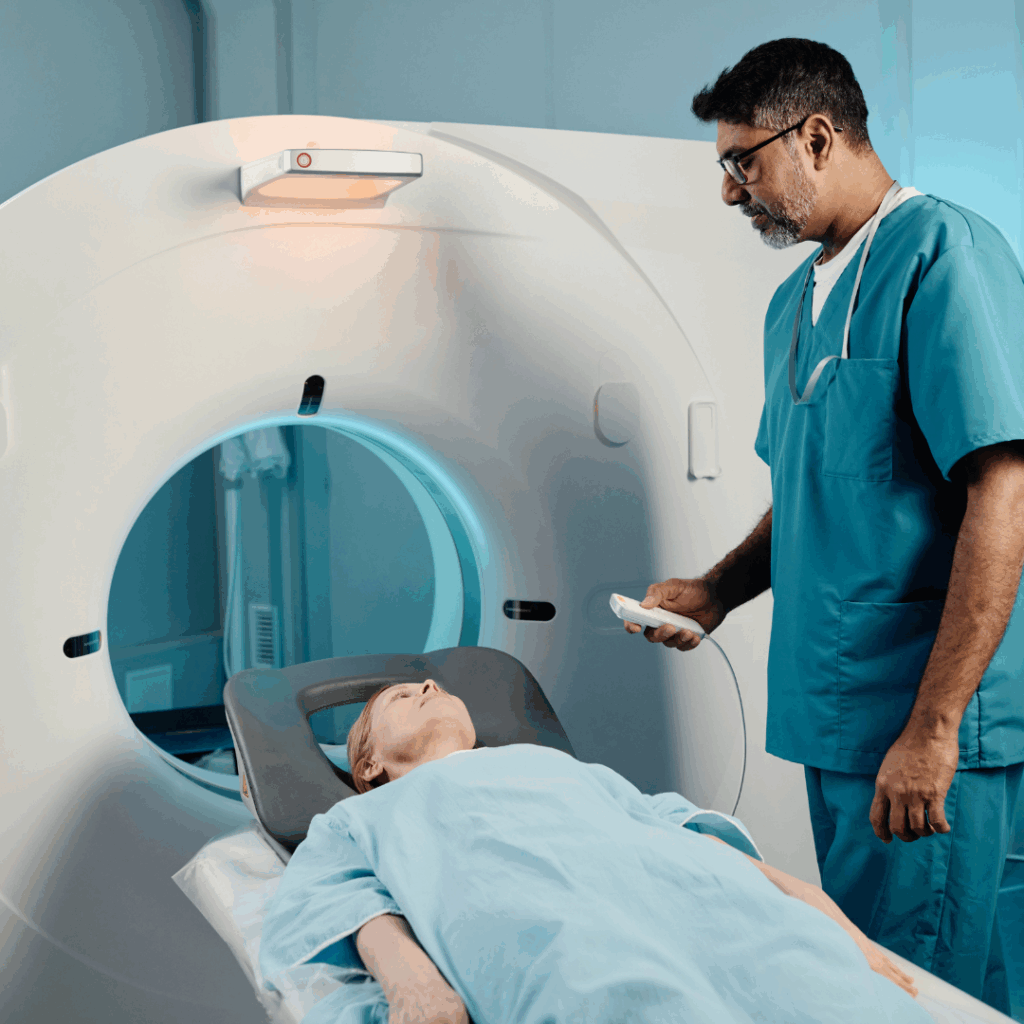
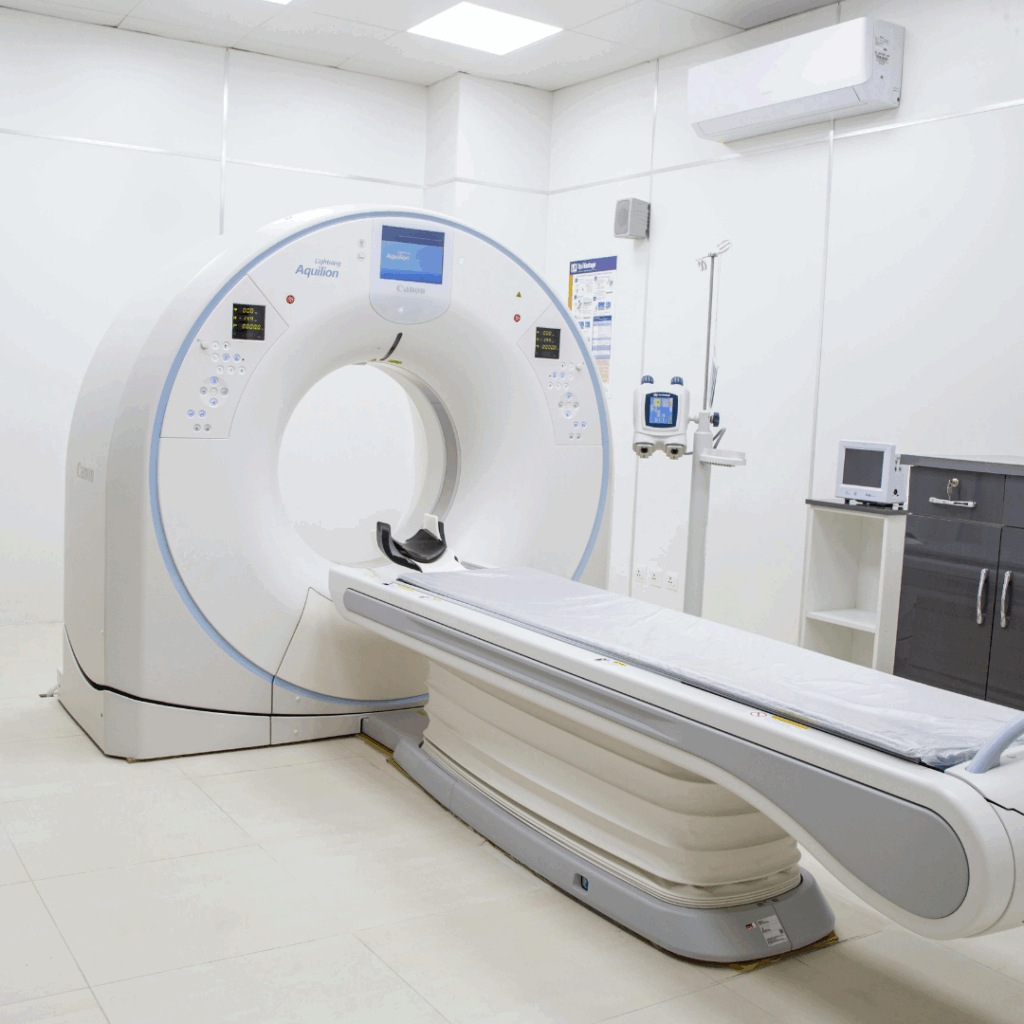
The journey begins with accurate staging through imaging (MRI, CT, PET scans) and a biopsy to confirm the type and grade of RMS.

Multimodal Therapy

Treatment begins with chemotherapy. This is followed by local control measures (surgery, radiation, or both) to address the primary tumor site.

Long-Term Follow-Up

After active treatment ends, survivors enter a long-term follow-up program to monitor for cancer recurrence and manage any late effects of treatment, ensuring health for years to come.

Make Your Health Journey to India Seamless & Stress-Free

In a country known for world-class care and compassion, don’t get lost in the process. Start your healing with guidance you can trust.

No hidden charges. Just honest, personalised advice to make your medical trip to India safe and successful.

Rhabdomyosarcoma: How Is It Diagnosed?

A physical examination is often used to identify rhabdomyosarcoma in order to better understand the symptoms you or your kid are experiencing. On the basis of the results, other tests and procedures can be suggested.

To explore symptoms, find malignancy, and spot signs of cancer spread, your doctor can advise one or more imaging tests.

The following imaging examinations may be performed:

  • X-ray
  • Computer-based tomography (CT Scan)
  • Magnetic resonance imaging (MRI)
  • PET (positron emission tomography)
  • Bone scan


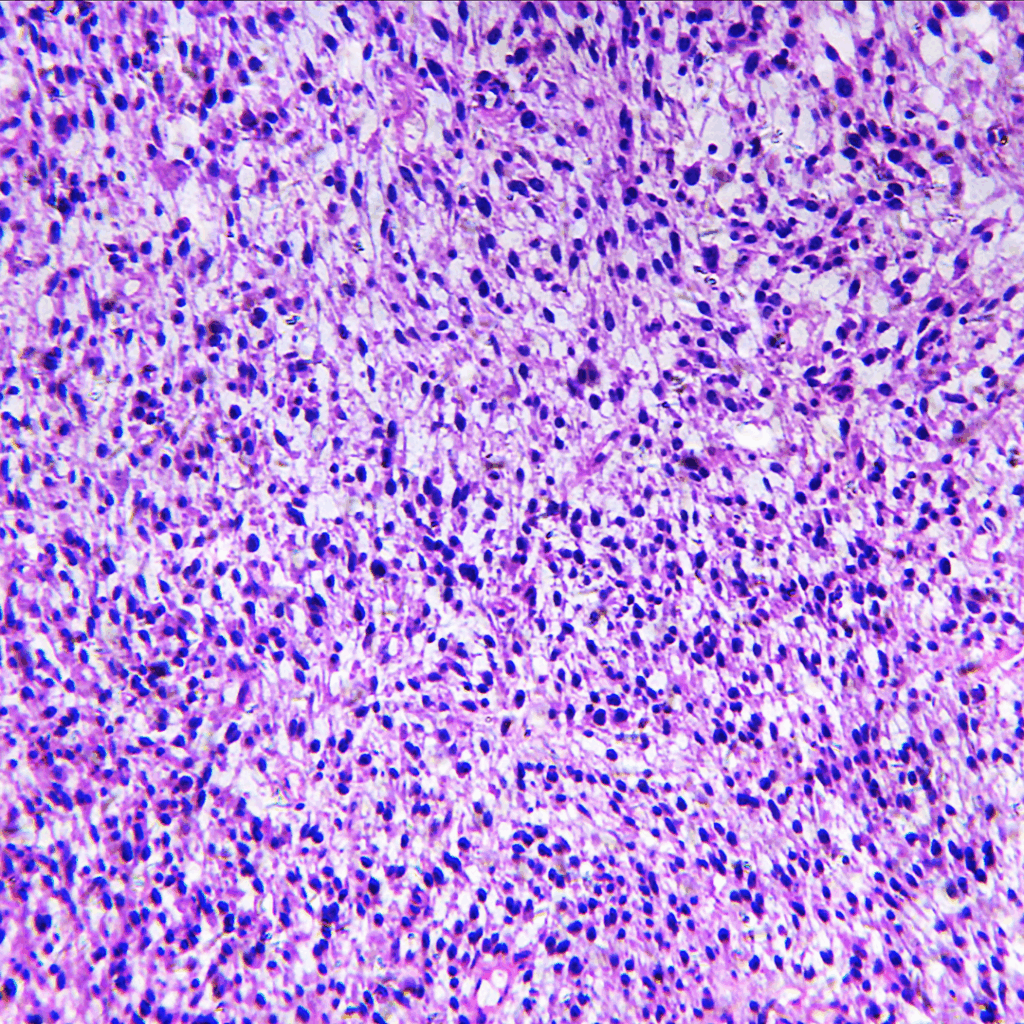
A sample of suspect cells is taken during a biopsy process and tested in a lab. Tests can identify the type of cancer and whether the cells are malignant.

Rhabdomyosarcoma is diagnosed by the use of the following biopsy procedures:

Needle Biopsy: The physician inserts a tiny needle beneath the skin and into the tumor. To remove tiny bits of tumor tissue, a needle is utilized.

Operative Biopsy: In an excisional biopsy, the entire tumor is removed, while a partial biopsy or incisional biopsy only removes a piece of the tumor.

What Rhabdomyosarcoma Treatment Options Are There?

Based on the following elements, your child’s medical team will suggest a mix of treatments:

  • Stage and kind of rhabdomyosarcoma
  • Possible negative effects
  • The general health and preferences of the person


The most common forms of rhabdomyosarcoma treatment in India are as follows:

  • Chemotherapy: Medication injections into the bloodstream are involved. The medications either destroy cancer cells or stop them from proliferating and spreading. To lessen the chance of cancer coming back, chemotherapy is typically given to children with rhabdomyosarcoma. Studies to evaluate brand-new medications and medication combinations are continuing.
  • Surgery: A surgeon will cut off the tumor in its entirety or in pieces, along with some of the surrounding tissue. Excision, also known as surgical removal or excision, is employed in practically all rhabdomyosarcoma patients.
  • Radiation treatment: It uses powerful energy beams to either kill or limit the growth of cancer cells, typically high-energy X-rays.
  • Palliative care: It is commonly referred to as supportive care that addresses both a patient’s symptoms and any drug adverse effects. There may also be therapies for social, mental, and emotional issues. Examples include medication, diet, treatment, and relaxation.


Advice

Treatments for rhabdomyosarcoma can sometimes be effective. This is referred to as remission because it indicates that the cancer is no longer detectable. Though rhabdomyosarcoma frequently remits permanently, this is not always the case. This is referred to as repetition. The same or a different region of the body may experience recurrence.

In order to forecast the possibility of rhabdomyosarcoma recurring, your healthcare staff will classify the illness into a risk group. The healthcare team will also be helped in choosing the optimum treatment or treatment combination by the risk category (low, middle, or high). Your child’s medical team will run additional tests and suggest additional therapies if rhabdomyosarcoma reappears.

Thankfully, rhabdomyosarcoma in children is very uncommon. The medical team caring for your child can assess whether or not he or she has this sort of cancer and what stage it is if so. The team will work with you to establish a treatment plan and will offer assistance to your family to help them cope.

FAQs

Usually, a course of treatment lasts six months to a year. While some medications can be taken orally, most are given intravenously (injected into a vein). Patients with RMS are treated with a variety of chemotherapeutic medications.

Surgery is used to treat childhood rhabdomyosarcoma. Wide local excision is a method that is widely utilized. Wide local excision refers to the removal of the tumor along with some of the lymph nodes and surrounding tissue. For cancer to be completely removed, a second operation might be necessary.

Rhabdomyosarcoma’s specific origin is uncertain. Cells can develop cancer by having their genetic material (DNA) altered.

More than 90% of children with nonmetastatic rhabdomyosarcoma (RMS) respond completely to current treatment, although up to one-third of them have a recurrence. Prognostic variables are needed to design salvage treatment because survival rates in patients with recurrences are not necessarily low.

Rhabdomyosarcoma cells typically grow quickly and have the ability to metastasize (spread to different regions of the body). Rhabdomyosarcoma is the most prevalent form of soft-tissue cancer in children. Children of any age can be affected, although those between the ages of 2 and 6 and 15 and 19 account for the bulk of instances.


How We Can Help?

We also provide long-term support for those who have gone through treatments and need further assistance. Our team of specialists at the clinic will be with them every step of the way and even after they finish their treatment.

We offer practical advice on how to navigate life in a new environment, while also providing psychological support and counseling to help individuals adjust back into daily life as quickly as possible.

Finally, we are committed to helping our patients build a foundation that helps them live healthy and productive lives after receiving treatment. This can include setting up personalised recovery plans, recommending lifestyle habits such as exercise or nutrition counselling, or even referring patients to other services like rehabilitation programmes when needed.  Do To know more you can follow us on Facebook.