








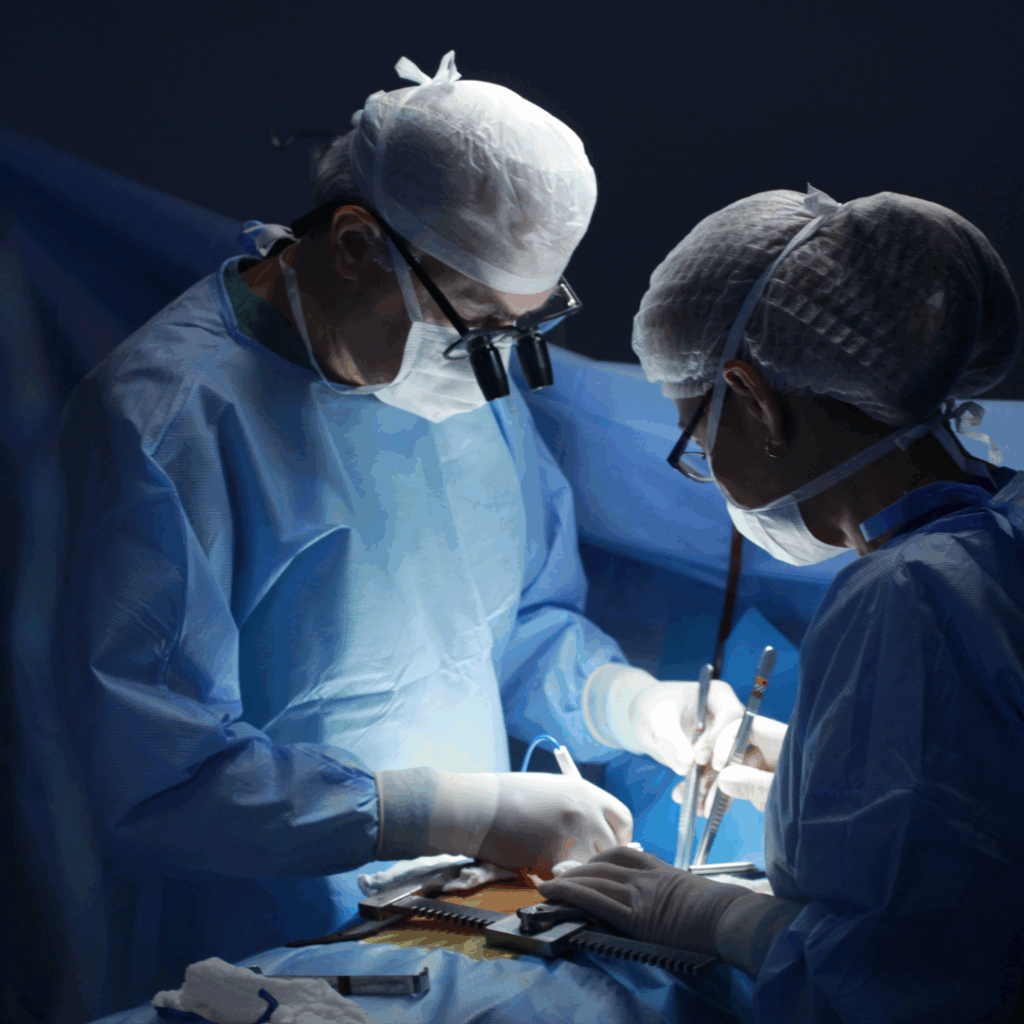


Robotic Prostate Cancer Surgery

Robotic Prostate Cancer: What is It?

Robotic prostate cancer is a minimally invasive method of treating localized prostate cancer using robotic technology. It involves the removal of the entire prostate gland and some surrounding tissue, to eradicate all known cancer cells in the area. This treatment option can be highly effective for men with low-risk or early stage diagnosed cancers.

During this procedure, surgeons sit at a console located in the operating room and control miniature robotic arms which help them perform precise movements during surgery. The main benefits of robotically assisted surgery include shorter hospital stays, less pain and faster recovery times than traditional open surgeries for these patients.

Robotic prostatectomy also greatly reduces men’s risk of urinary incontinence and erectile dysfunction after their procedure – things that are present with many types of open surgeries. As well as providing better outcomes overall when compared to more traditional methods, robotic surgeries have also been found to last longer over time without subsequent complications or reoccurring risks of cancer growth occurring again following surgical resection

Robotic Prostate Cancer: What is It?

Robotic prostate cancer is a minimally invasive method of treating localized prostate cancer using robotic technology. It involves the removal of the entire prostate gland and some surrounding tissue, to eradicate all known cancer cells in the area. This treatment option can be highly effective for men with low-risk or early stage diagnosed cancers.

During this procedure, surgeons sit at a console located in the operating room and control miniature robotic arms which help them perform precise movements during surgery. The main benefits of robotically assisted surgery include shorter hospital stays, less pain and faster recovery times than traditional open surgeries for these patients.

Robotic prostatectomy also greatly reduces men’s risk of urinary incontinence and erectile dysfunction after their procedure – things that are present with many types of open surgeries. As well as providing better outcomes overall when compared to more traditional methods, robotic surgeries have also been found to last longer over time without subsequent complications or reoccurring risks of cancer growth occurring again following surgical resection

Robotic Prostate Cancer: Signs and Symptoms

Prostate cancer is a common form of cancer among men.

Robotic prostatectomy, or the surgical removal of part or all of the prostate gland with robotic assistance, is one way to treat this condition. While many patients experience positive outcomes following surgery, not everyone may be aware of what to expect in terms of signs and symptoms after getting a robotic prostatectomy procedure.

Early on, some men may experience incontinence (or lack of control over urination), as well as pain during intercourse and other urinary issues such as urgency or frequent urination. These issues tend to subside as you heal; however, it’s important for those who have undergone treatment for prostate cancer to monitor their health for any signs that could indicate problematic changes in the body.

Those who have had their entire prostate removed usually no longer experience erectile dysfunction since there are no longer any nerves that lead from it but this condition can still exist due to other factors like hormonal deficits or anxiety related reactions associated with post-surgery stress levels.

Therefore, monitoring these conditions should also be done if they are known risk factors ahead of time by speaking with your doctor prior to having surgery so they can best prepare you and provide guidance regarding which strategies might help manage.

Superior Precision & Vision

The robotic system provides the surgeon with a magnified, high-definition 3D view of the prostate and surrounding delicate structures. This enhanced visualization allows for meticulous dissection.

Faster Recovery Times

With less trauma to the body, patients often experience a shorter hospital stay (often just one night), less post-operative pain, and a quicker return to normal daily activities compared to open surgery.

Minimally Invasive Approach

Instead of one large incision, the surgeon operates through a few small keyhole incisions. This leads to less blood loss, reduced need for blood transfusions, and minimal scarring.

Make Your Health Journey to India Seamless & Stress-Free

In a country known for world-class care and compassion, don’t get lost in the process. Start your healing with guidance you can trust.

No hidden charges. Just honest, personalised advice to make your medical trip to India safe and successful.

What Factors Lead To Robotic Prostate Cancer?

Advanced Medical Technology and Training

The primary factor is the advancement of robotic surgical systems, such as the da Vinci Surgical System. This technology provides surgeons with enhanced 3D visualization, superior precision, and greater dexterity than traditional laparoscopic or open surgery, making it a highly effective tool for operating in the confined pelvic area.

Clinical Benefits for Patient Outcomes

Robotic prostatectomy is driven by its demonstrated benefits for patients. These include significantly reduced blood loss, smaller incisions leading to less pain and scarring, shorter hospital stays, and a faster recovery period. The precision of the robot also aids in nerve-sparing techniques, which can improve outcomes for urinary continence and erectile function post-surgery.

Surgeon Preference and Patient Demand

The adoption of robotic surgery is heavily influenced by surgeon training and patient choice. New surgeons are increasingly trained in robotic techniques, and patients often actively seek out this minimally invasive option due to its perceived advantages. Hospital investment in this technology to meet market demand has also made it a standard of care for prostate cancer surgery.

Diagnosis of Robotic Prostate Cancer

During the examination, the doctor may use his or her hands to feel for lumps or enlarged areas on the prostate gland. 

In addition, he or she will likely order lab tests such as a PSA test and an imaging scan like CT scan or an MRI to confirm the presence of cancer cells in the affected area. 

If cancer is found, biopsy samples are obtained from different sites of suspicion in order to determine its aggressiveness and then further stages can be established. 

Treatment usually depends on factors such as whether it has spread beyond its initial site and what stage it’s at as well how healthy you are overall and your age. 

Depending on these criteria doctors will decide if surgery, radiation therapy, hormonal therapy or chemotherapy is suitable for treatment. Other treatments like immunotherapy are available too depending on each individual case.


Price of Robotic Prostate Cancer Surgery

During the examination, the doctor may use his or her hands to feel for lumps or enlarged areas on the prostate gland. 

In addition, he or she will likely order lab tests such as a PSA test and an imaging scan like CT scan or an MRI to confirm the presence of cancer cells in the affected area. 

If cancer is found, biopsy samples are obtained from different sites of suspicion in order to determine its aggressiveness and then further stages can be established. 

Treatment usually depends on factors such as whether it has spread beyond its initial site and what stage it’s at as well how healthy you are overall and your age. 

Depending on these criteria doctors will decide if surgery, radiation therapy, hormonal therapy or chemotherapy is suitable for treatment. Other treatments like immunotherapy are available too depending on each individual case.

How We Can Help?

We also provide long-term support for those who have gone through treatments and need further assistance. Our team of specialists at the clinic will be with them every step of the way and even after they finish their treatment.

We offer practical advice on how to navigate life in a new environment, while also providing psychological support and counseling to help individuals adjust back into daily life as quickly as possible.

Finally, we are committed to helping our patients build a foundation that helps them live healthy and productive lives after receiving treatment. This can include setting up personalised recovery plans, recommending lifestyle habits such as exercise or nutrition counselling, or even referring patients to other services like rehabilitation programmes when needed.  Do To know more you can follow us on Facebook.