









Facelift / Rhytidectomy

Facelift / Rhytidectomy: What Is It?

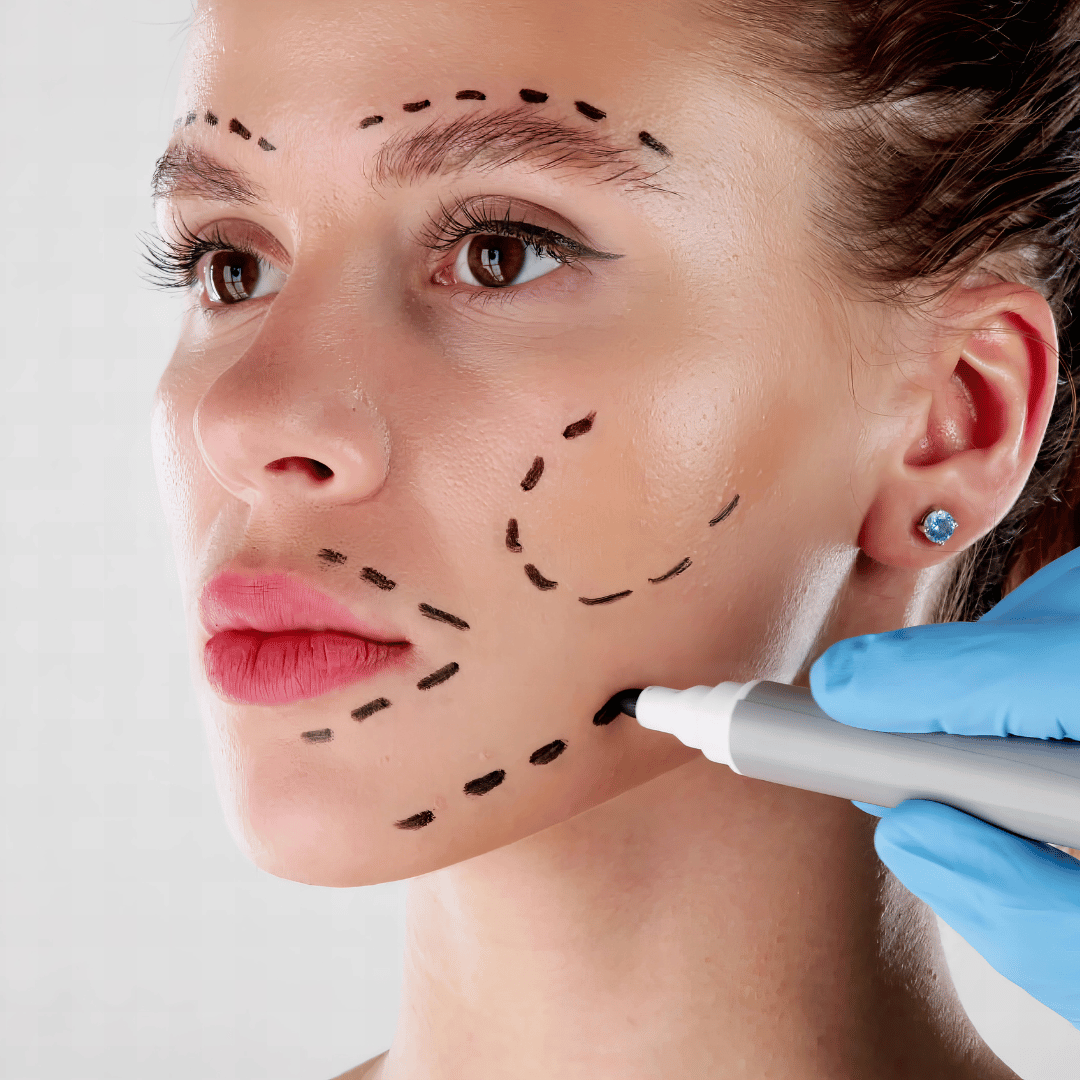
A facelift, medically known as rhytidectomy, is a cosmetic surgical procedure designed to reduce the visible signs of aging in the face and neck. It targets sagging skin, deep wrinkles, jowls, and loose tissue, helping to restore a firmer, more youthful appearance. The procedure can also improve the jawline and neck contour, giving the face a smoother and more rejuvenated look.

Facelift surgery can be performed alone or in combination with other procedures, such as eyelid surgery, brow lifts, or skin resurfacing treatments, to achieve more comprehensive facial rejuvenation. The goal is to create natural-looking results that enhance facial harmony while maintaining individual facial features.

This procedure is typically chosen by individuals who notice significant sagging or drooping in the mid-to-lower face and want long-lasting improvements. When performed by an experienced surgeon, a facelift can provide dramatic, enduring results that boost self-confidence and restore a youthful facial appearance.

Procedure Overview

Facelift surgery begins with a detailed consultation, during which the surgeon evaluates the patient’s facial structure, skin quality, and aging patterns. A customised surgical plan is created to determine the areas to be lifted, tightened, or contoured, and to decide whether the procedure will be performed alone or combined with other treatments like eyelid surgery or brow lifts.

During the surgery, incisions are typically made along the hairline, around the ears, and sometimes under the chin, allowing the surgeon to lift and reposition underlying facial tissues. Excess skin is trimmed, and the remaining tissue is redraped to create a smoother, firmer appearance. The incisions are then carefully closed, often with fine sutures, to minimise visible scarring.

Causes and Risk Factors

As we age, the face naturally loses elasticity and volume, leading to visible signs such as sagging cheeks, deep nasolabial folds, and jowls. The skin around the neck may also become loose, creating an aged or tired appearance.

Recognizing these changes early allows patients to explore rejuvenation options before the signs of aging become more pronounced.

Other noticeable symptoms include the development of marionette lines, drooping corners of the mouth, and loss of a defined jawline. These changes can affect facial harmony and make expressions appear heavier or more tired than they actually feel.

Identifying these symptoms helps in planning a facelift that targets specific areas for optimal results.

Clear Recognition of Symptoms

Visible signs of aging such as sagging cheeks, jowls, and loose neck skin indicate the need for a facelift. Early recognition allows timely intervention for a firmer.

Faster Intervention and Better Outcomes

Timely facelift surgery helps achieve smoother, more natural results and reduces the progression of facial sagging. Early intervention often leads to quicker recovery and longer-lasting rejuvenation.

Minimally Invasive Approach

Instead of one large incision, the surgeon operates through a few small keyhole incisions. This leads to less blood loss, reduced need for blood transfusions, and minimal scarring.

Make Your Health Journey to India Seamless & Stress-Free

In a country known for world-class care and compassion, don’t get lost in the process. Start your healing with guidance you can trust.

No hidden charges. Just honest, personalised advice to make your medical trip to India safe and successful.

What Factors Lead To Nose Correction & Rhinoplasty Surgery?

Advanced Medical Technology and Training

A major factor in modern rhinoplasty is the development of advanced surgical techniques and technology, including minimally invasive methods, precise reshaping of cartilage and bone, and laser-assisted contouring. These innovations enable surgeons to correct nasal deformities, improve symmetry, and enhance overall facial harmony with greater accuracy and safety. By minimising tissue trauma and reducing visible scarring, these advanced approaches provide natural-looking, long-lasting results for patients.

Clinical Benefits for Patient Outcomes

Modern rhinoplasty provides substantial benefits for both facial aesthetics and nasal function. Minimally invasive techniques and precise reshaping of cartilage and bone often lead to smaller incisions, less swelling, and faster recovery. Patients can achieve better nasal symmetry, a harmonious facial profile, and a natural-looking contour. In addition to cosmetic improvements, rhinoplasty can enhance breathing and overall nasal function, increasing self-confidence and improving quality of life.

Surgeon Expertise and Patient Preference

The growing use of advanced rhinoplasty techniques is closely linked to both surgeon expertise and patient demand. More plastic and cosmetic surgeons are undergoing specialised training in minimally invasive approaches, precise cartilage and bone reshaping, and refined contouring methods, ensuring higher accuracy and better outcomes. Simultaneously, patients are increasingly choosing these advanced techniques for their safety, shorter recovery periods, and natural-looking, long-lasting results.

The Facelift / Rhytidectomy Surgery Process

Consultation and Planning: The facelift process begins with a thorough consultation, during which the surgeon evaluates the patient’s facial structure, skin quality, and areas affected by aging. A customised surgical plan is created to determine the regions to lift, tighten, or contour, and whether the procedure will be combined with other treatments such as eyelid surgery or brow lifts.

Anesthesia: Facelift surgery is typically performed under general anesthesia, though local anesthesia with sedation may be used in select cases. Anesthesia ensures patient comfort and safety throughout the procedure.

Surgical Procedure: During surgery, precise incisions are made along the hairline, around the ears, and sometimes under the chin, allowing the surgeon to lift and reposition underlying facial tissues. Excess skin is removed, and the remaining tissue is redraped to create a smoother, firmer appearance. Incisions are carefully closed with fine sutures to minimise visible scarring.

Risks and Considerations

Facelift surgery, like any surgical procedure, carries certain risks that patients should consider. Common side effects include temporary swelling, bruising, redness, and mild discomfort around the face and neck. These are typically short-term and resolve with proper post-operative care.

More serious complications, though rare, can include infection, bleeding, nerve injury, asymmetry, scarring, or unsatisfactory results that may require revision surgery. Patients with pre-existing medical conditions, such as bleeding disorders, cardiovascular issues, or chronic illnesses, may face higher surgical risks and need careful evaluation prior to the procedure.

It is also essential for patients to maintain realistic expectations. While a facelift can dramatically improve facial contours and reduce visible signs of aging, it does not stop the natural aging process. Understanding potential risks and considerations, along with following the surgeon’s pre- and post-operative guidance, ensures safe procedures and long-lasting, satisfactory results.


How We Can Help?

We also provide long-term support for those who have gone through treatments and need further assistance. Our team of specialists at the clinic will be with them every step of the way and even after they finish their treatment.

We offer practical advice on how to navigate life in a new environment, while also providing psychological support and counseling to help individuals adjust back into daily life as quickly as possible.

Finally, we are committed to helping our patients build a foundation that helps them live healthy and productive lives after receiving treatment. This can include setting up personalised recovery plans, recommending lifestyle habits such as exercise or nutrition counselling, or even referring patients to other services like rehabilitation programmes when needed.  Do To know more you can follow us on Facebook.