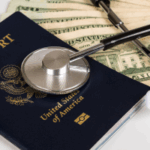
India has emerged as one of the most preferred destinations for medical tourism worldwide. Every year, thousands of international patients travel to India seeking high-quality and cost-effective healthcare. From advanced cardiac surgeries to cosmetic procedures and organ transplants, India offers world-class medical services at a fraction of the cost compared to Western countries. If you are planning a medical trip to India, this comprehensive guide will walk you through every step of the process to ensure a smooth and successful experience.
Why Choose India for Medical Treatment?
Before diving into the planning process, let’s understand why India is a global hotspot for medical tourism.
- Affordable Treatment Costs: Medical procedures in India are significantly cheaper compared to countries like the US, UK, or Australia. Patients can save up to 60-80% on treatment costs.
- World-Class Healthcare Facilities: India boasts hospitals accredited by JCI and NABH, equipped with cutting-edge technology and state-of-the-art infrastructure.
- Highly Skilled Doctors: Indian doctors are globally recognized for their expertise and experience, many of whom are trained in top international institutions.
- No Waiting Time: Unlike some countries where patients wait months for treatment, Indian hospitals offer quick scheduling for surgeries and treatments.
- Holistic Healing Options: In addition to modern medicine, India provides alternative therapies like Ayurveda and Yoga for complete healing.
Step 1: Research and Choose Your Treatment
The first step in planning your medical trip to India is identifying the treatment you need. Whether it’s cardiac surgery, organ transplant, cosmetic surgery, fertility treatment, or dental care, research the hospitals that specialize in that field.
- Check Hospital Credentials: Look for JCI or NABH accreditation.
- Read Patient Reviews: Testimonials can help gauge the hospital’s reputation.
- Compare Success Rates: Higher success rates indicate better outcomes.
Popular treatments sought in India include cardiac bypass, knee replacement, cancer treatment, cosmetic surgery, IVF, and organ transplants.
Step 2: Select the Right Hospital and Doctor
Choosing the right hospital and doctor is crucial for a successful medical trip. Here’s what to consider:
- Hospital Accreditation: JCI and NABH certifications ensure international standards.
- Doctor’s Experience: Check qualifications, years of practice, and patient reviews.
- Specialization: Make sure the hospital has a dedicated department for your treatment.
Some of the top hospitals for medical tourists in India include Apollo Hospitals, Fortis Healthcare, Max Healthcare, Medanta, and AIIMS.
Step 3: Get a Detailed Treatment Plan and Cost Estimate
Once you have shortlisted the hospital and doctor, request a detailed treatment plan and cost estimate.
- Share Your Medical Records: Provide recent reports, scans, and prescriptions.
- Understand the Package: Confirm what’s included—consultations, surgery, hospital stay, medication, and follow-up.
- Clarify Additional Costs: Check for charges related to extra hospital stay, ICU, or complications.
Step 4: Apply for a Medical Visa
To travel to India for treatment, you need a Medical Visa (M-Visa). Here’s the process:
- Eligibility: Available for patients seeking specialized medical treatment in recognized hospitals.
- Documents Required:
- Passport with at least 6-month validity
- Passport-sized photos
- Medical records and treatment plan from the Indian hospital
- Proof of funds for travel and treatment
- Processing Time: Typically 2–5 working days.
- Accompanying Attendants: Two attendants can apply for a Medical Attendant Visa (MX-Visa).
Visit the official Indian visa portal or the nearest Indian embassy for application details.
Step 5: Arrange Travel and Accommodation
After obtaining your visa, the next step is booking flights and accommodation.
- Flights: Book early to get affordable rates. Most international patients fly into major cities like Delhi, Mumbai, Bangalore, or Chennai.
- Accommodation: Choose a hotel or guest house near the hospital. Many hospitals also offer guest houses for patients and attendants.
- Transportation: Hospitals often provide airport pick-up services; confirm this before arrival.
Step 6: Prepare Financially
Medical treatment in India is affordable, but you still need to plan your budget carefully.
- Advance Payment: Most hospitals require advance deposits before treatment.
- Mode of Payment: Credit cards, wire transfers, and cash are commonly accepted.
- Travel Insurance: Check if your insurance covers overseas treatment. If not, keep funds ready for medical expenses.
Step 7: Arrange Language Assistance
India is an English-speaking country, but if English is not your first language, arrange for a translator. Many hospitals provide language interpreters for Arabic, French, Russian, and African languages.
Step 8: Pack Smartly for Your Medical Trip
When packing for your medical trip, keep the following essentials:
- Medical reports and prescriptions
- Comfortable clothing
- Personal hygiene items
- Emergency contact numbers
- International SIM card or roaming facility
Step 9: Understand the Legal and Ethical Aspects
India follows strict ethical guidelines for medical treatments, especially for procedures like organ transplants. Ensure you have all legal documents ready if you’re undergoing organ donation or surrogacy.
Step 10: Plan for Recovery and Follow-Up
Post-treatment care is critical for a successful recovery.
- Follow-Up Visits: Schedule follow-up consultations before leaving India.
- Telemedicine: Many hospitals offer online consultations for international patients.
- Recovery Period: Allow adequate time in India for recovery before returning home.
Combining Treatment with Tourism
One of the unique aspects of medical tourism in India is the opportunity to explore its rich culture and heritage. After recovery, you can visit famous destinations like the Taj Mahal, Kerala backwaters, Jaipur palaces, and Goa beaches. However, consult your doctor before planning any travel.
How Medical Facilitators Can Help
If planning everything on your own seems overwhelming, consider hiring a medical facilitator. They can:
- Coordinate with hospitals
- Arrange visas and accommodation
- Provide airport transfers
- Offer 24/7 support during your stay
Final Thoughts
India’s combination of world-class healthcare, affordable costs, and advanced technology makes it one of the top destinations for medical tourism globally. By following this step-by-step guide, you can ensure a smooth and hassle-free medical trip to India. With proper planning and the right hospital, your journey to better health in India can be both successful and memorable.