








Breast Implant Surgery

Breast Implant Surgery: What Is It?

Breast implant surgery, also known as breast augmentation or augmentation mammoplasty, is a cosmetic procedure designed to enhance the size, shape, and symmetry of the breasts. It involves placing implants—either silicone or saline—under the breast tissue or chest muscles to achieve the desired appearance. Many patients choose this procedure to improve body proportions, restore breast volume after pregnancy or weight loss, or correct asymmetry.

The surgery is often sought for aesthetic reasons, helping individuals achieve a fuller, more balanced silhouette and increased self-confidence. Breast implants can also be used in reconstructive surgery following mastectomy or trauma, restoring natural breast contours and supporting emotional recovery.

Breast implant surgery is a highly individualised procedure, tailored to each patient’s anatomy, goals, and lifestyle. A thorough consultation with a qualified plastic surgeon helps determine the appropriate implant type, size, and placement method, ensuring natural-looking, long-lasting results.

Procedure Overview

Objective: The primary goal of breast implant surgery is to increase breast volume and improve overall breast symmetry and shape.

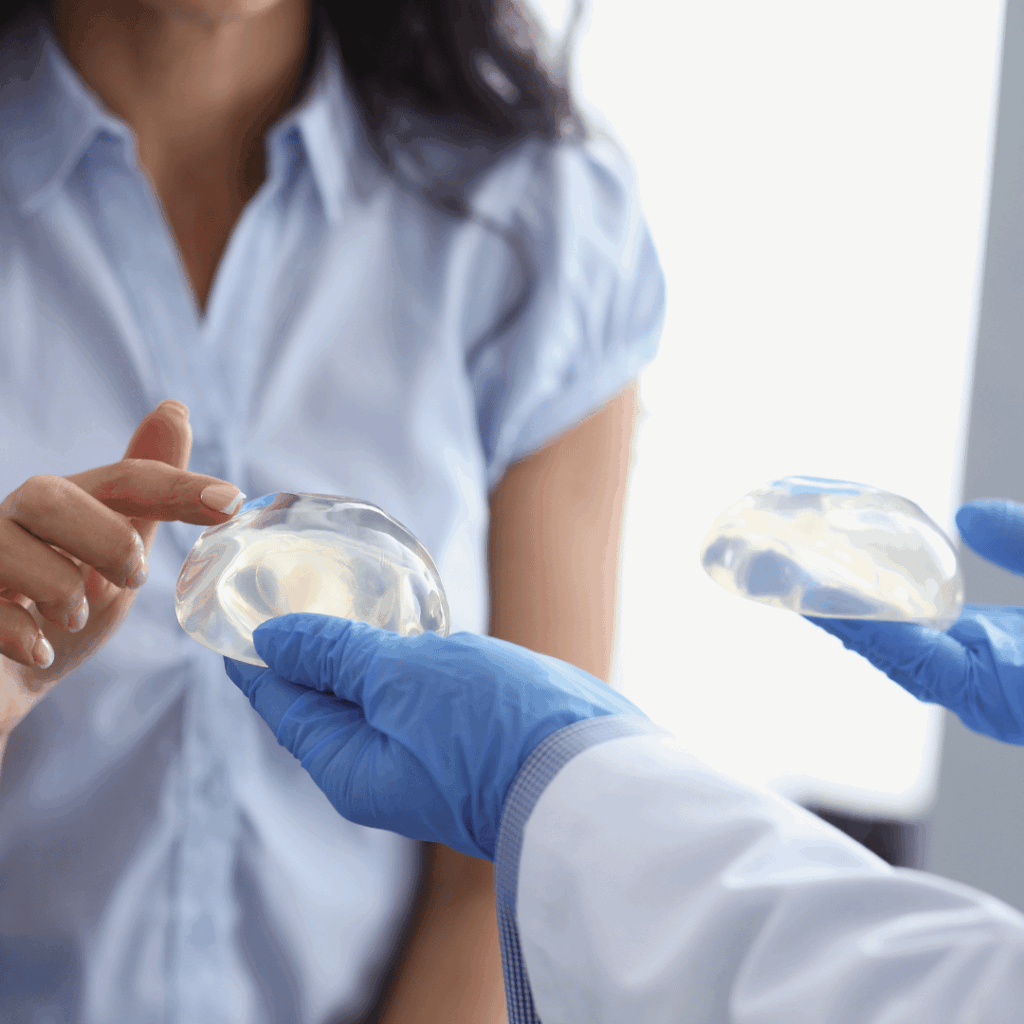
Implant Types: Two main types of breast implants are saline and silicone. Saline implants are filled with sterile salt water, while silicone implants are filled with silicone gel. The choice between the two depends on factors such as personal preference, body type, and desired outcome.

Causes and Risk Factors

Many individuals seek breast implant surgery for aesthetic or reconstructive reasons. Common causes include naturally small or asymmetrical breasts, loss of breast volume due to pregnancy, breastfeeding, or significant weight changes, and the desire to enhance overall body proportion and confidence.

Reconstructive breast augmentation may also be performed after mastectomy or trauma to restore natural breast shape.

Several factors can influence the outcome and suitability of breast implant surgery. Genetics, age, and skin elasticity play a role in how the breasts respond to implants and heal post-surgery. Pre-existing conditions, such as autoimmune disorders, bleeding disorders, or certain chronic illnesses, can increase surgical risks or affect recovery.

Clear Recognition of Symptoms

Common signs that breast augmentation may be desired include noticeably small, uneven, or sagging breasts affecting body proportion or confidence.

Faster Intervention and Better Outcomes

Timely breast implant surgery can enhance aesthetic results and reduce potential complications. Early intervention often leads to quicker recovery and higher patient satisfaction.

Minimally Invasive Approach

Instead of one large incision, the surgeon operates through a few small keyhole incisions. This leads to less blood loss, reduced need for blood transfusions, and minimal scarring.

Make Your Health Journey to India Seamless & Stress-Free

In a country known for world-class care and compassion, don’t get lost in the process. Start your healing with guidance you can trust.

No hidden charges. Just honest, personalised advice to make your medical trip to India safe and successful.

What Factors Lead To Breast Implant Surgery?

Advanced Medical Technology and Training

A key factor in modern breast implant surgery is the advancement of surgical techniques and technology, including minimally invasive incision methods, precise implant placement, and advanced shaping techniques. These innovations allow surgeons to enhance breast size, improve symmetry, and refine overall breast contours with greater precision and safety. Advanced tools and methods minimise tissue trauma, reduce scarring, and provide more natural-looking, long-lasting results for patients.

Clinical Benefits for Patient Outcomes

Modern breast implant surgery provides significant benefits for both appearance and body proportion. Minimally invasive techniques and precise implant placement often result in smaller incisions, reduced scarring, and faster recovery times. Patients can achieve enhanced breast size, improved symmetry, a fuller and more balanced silhouette, and a natural-looking contour. Beyond aesthetic improvements, breast implant surgery can also boost self-confidence and overall body image, positively impacting quality of life.

Surgeon Expertise and Patient Preference

The growing adoption of advanced breast implant surgery techniques is closely linked to surgeon expertise and patient demand. More plastic and cosmetic surgeons are receiving specialised training in minimally invasive incision methods, precise implant placement, and shaping techniques, ensuring higher precision and improved outcomes. At the same time, patients increasingly choose these advanced approaches for their safety, quicker recovery, and natural-looking, long-lasting results.

The Breast Implant Surgery Process

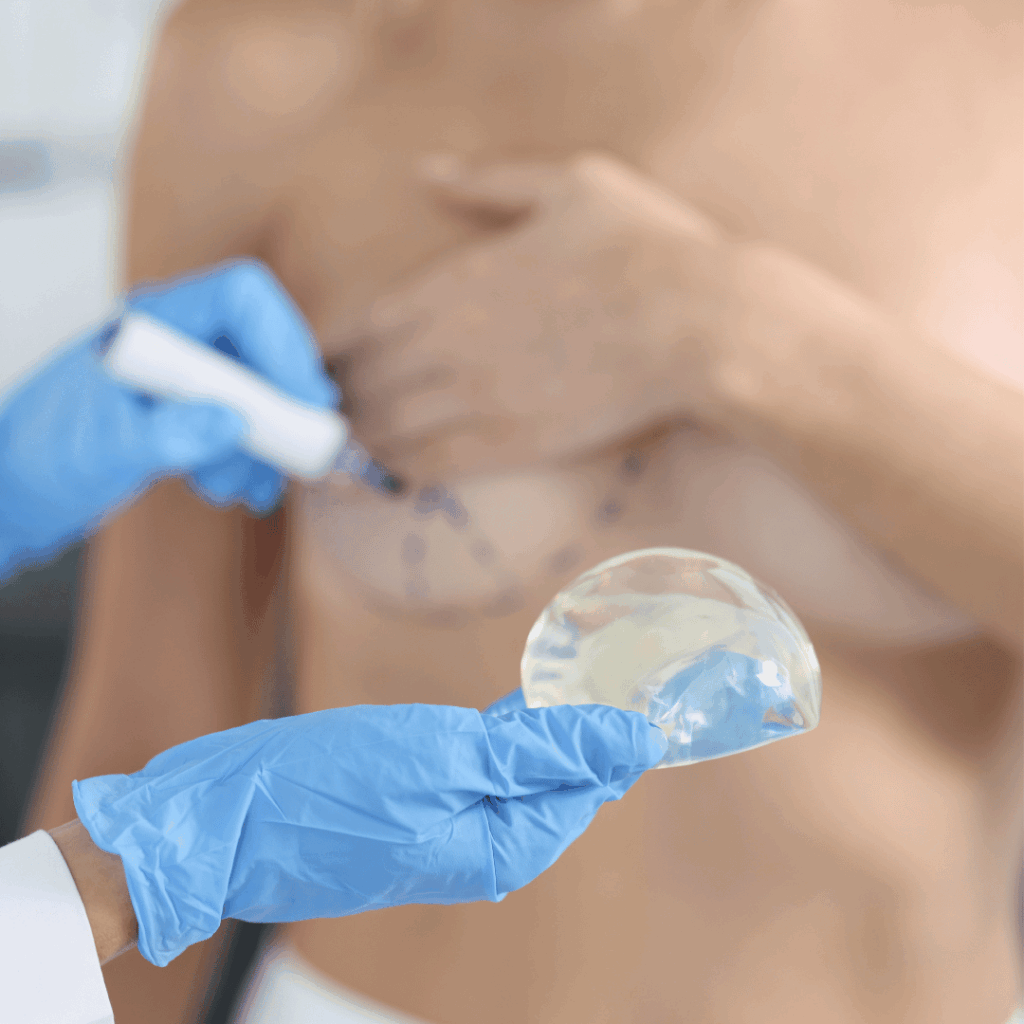
Consultation and Planning: The process begins with a thorough consultation with a qualified plastic surgeon. During this stage, the surgeon evaluates the patient’s anatomy, discusses desired breast size and shape, reviews medical history, and identifies any factors that may affect the procedure. A customised surgical plan is developed, including the choice of implant type, size, and placement method (under the chest muscle or over it).

Anesthesia: Breast implant surgery is typically performed under general anesthesia, ensuring patient comfort and safety throughout the procedure. Sedation options may be considered in select cases, depending on the complexity and patient preference.

Surgical Procedure: The surgeon makes small, discreet incisions in predetermined locations—such as under the breast fold, around the areola, or in the armpit. The chosen implant, either silicone or saline, is then inserted and positioned carefully to achieve symmetry, natural contour, and the desired volume. Advanced techniques are used to minimise tissue trauma and ensure precise placement for optimal results.

Risks and Considerations

Breast implant surgery, like any surgical procedure, carries certain risks that patients should consider. Common side effects include temporary swelling, bruising, soreness, and mild discomfort around the breasts. These effects usually subside with proper post-operative care and are a normal part of the healing process.

More serious complications, although rare, may include infection, bleeding, capsular contracture (scar tissue around the implant), implant rupture or leakage, asymmetry, or changes in nipple sensation. Patients with pre-existing medical conditions, such as autoimmune disorders, diabetes, or clotting issues, may face higher surgical risks and require thorough evaluation before proceeding.

It is also essential for patients to have realistic expectations. Breast implants can enhance size, shape, and symmetry, but they are not permanent and may require revision or replacement over time. Maintaining a healthy lifestyle and following post-operative instructions are crucial for long-term success. 

How We Can Help?

We also provide long-term support for those who have gone through treatments and need further assistance. Our team of specialists at the clinic will be with them every step of the way and even after they finish their treatment.

We offer practical advice on how to navigate life in a new environment, while also providing psychological support and counseling to help individuals adjust back into daily life as quickly as possible.

Finally, we are committed to helping our patients build a foundation that helps them live healthy and productive lives after receiving treatment. This can include setting up personalised recovery plans, recommending lifestyle habits such as exercise or nutrition counselling, or even referring patients to other services like rehabilitation programmes when needed.  Do To know more you can follow us on Facebook.