








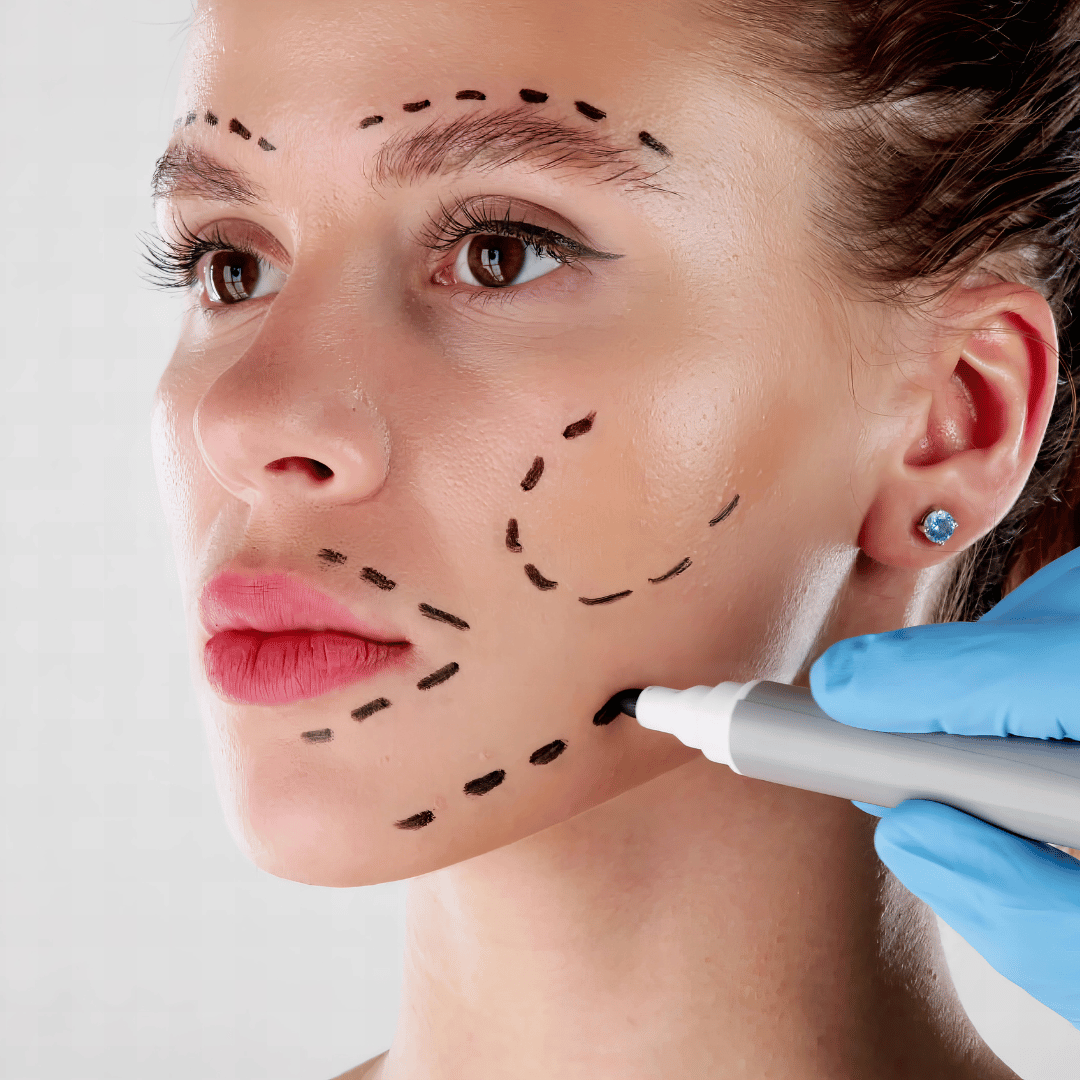

Facelift surgery, like any surgical procedure, carries certain risks that patients should consider. Common side effects include temporary swelling, bruising, redness, and mild discomfort around the face and neck. These are typically short-term and resolve with proper post-operative care.
More serious complications, though rare, can include infection, bleeding, nerve injury, asymmetry, scarring, or unsatisfactory results that may require revision surgery. Patients with pre-existing medical conditions, such as bleeding disorders, cardiovascular issues, or chronic illnesses, may face higher surgical risks and need careful evaluation prior to the procedure.
It is also essential for patients to maintain realistic expectations. While a facelift can dramatically improve facial contours and reduce visible signs of aging, it does not stop the natural aging process. Understanding potential risks and considerations, along with following the surgeon’s pre- and post-operative guidance, ensures safe procedures and long-lasting, satisfactory results.