





Head and Neck Cancer
Head and Neck Cancer: What Is It?
Head and neck cancer refers to a group of cancers that develop in or around the throat, larynx (voice box), nose, sinuses, or mouth. These cancers typically begin in the squamous cells that line the mucosal surfaces in these areas.
The most common types are oral cavity cancer, oropharyngeal cancer, laryngeal cancer, and nasopharyngeal cancer. Risk factors include tobacco use, alcohol consumption, HPV infection, and prolonged sun exposure.
Symptoms vary depending on the location of the cancer but may include a persistent sore throat, difficulty swallowing, a lump in the neck, unexplained weight loss, or changes in the voice. Early detection is key for successful treatment, as symptoms may often be mistaken for less serious conditions.
Types of Head and Neck Cancer
The most common types of head and neck cancer include oral, pharyngeal, and laryngeal cancers. Each type is categorized based on its location. Oral cancer affects the lips, tongue, gums, and mouth, while pharyngeal cancer impacts the throat, and laryngeal cancer affects the voice box. Diagnosis involves physical exams, imaging tests, and biopsies. Treatment options vary based on the cancer’s type and stage.
Symptoms of Head and Neck Cancer
Head and neck cancer refers to cancers that develop in the mouth, throat, voice box, sinuses, or salivary glands. These cancers are often linked to risk factors such as smoking, alcohol use, and human papillomavirus (HPV) infection. Symptoms can vary based on the location and stage of the cancer. Early-stage head and neck cancer might not show noticeable symptoms, while advanced stages can cause noticeable signs. Common symptoms include a persistent sore throat, difficulty swallowing, hoarseness, a lump or sore that doesn’t heal, unexplained weight loss, pain in the ear, and changes in the voice.
In addition to these, patients may experience swelling in the jaw, persistent nasal congestion or bleeding, numbness in parts of the face, and difficulty breathing. Mouth ulcers that do not heal and white or red patches inside the mouth can also be early indicators. These signs are often overlooked or mistaken for minor infections, which can delay proper diagnosis.
Risk Factors for Head and Neck Cancer
Head and neck cancer refers to cancers that develop in the head or neck area, including the mouth, throat, larynx (voice box), nose, sinuses, and salivary glands.
Diagnosis of Head and Neck Cancer
Head and neck cancer refers to cancers that develop in the tissues and organs of the head and neck, including the mouth, throat, larynx, sinuses, and nasal cavity.
Minimally Invasive Approach
Instead of one large incision, the surgeon operates through a few small keyhole incisions. This leads to less blood loss, reduced need for blood transfusions, and minimal scarring.
Make Your Health Journey to India Seamless & Stress-Free
In a country known for world-class care and compassion, don’t get lost in the process. Start your healing with guidance you can trust.
No hidden charges. Just honest, personalised advice to make your medical trip to India safe and successful.
What Factors Lead To Head and Neck Cancer?

Advanced Medical Technology and Training
A key factor in head and neck cancer treatment is the advancement of modern surgical and therapeutic systems, including robotic-assisted surgery, minimally invasive approaches, and image-guided techniques. These technologies provide surgeons with enhanced 3D visualization, superior precision, and improved dexterity compared to traditional surgery, making them highly effective for operating in the complex structures of the head and neck region.

Clinical Benefits for Patient Outcomes
Advanced treatment approaches for head and neck cancer offer significant benefits for patients. These include reduced blood loss, smaller incisions leading to less pain and scarring, shorter hospital stays, and faster recovery times. The precision of these techniques also helps preserve vital functions such as speech, swallowing, and appearance, thereby improving both survival rates and quality of life.

Surgeon Expertise and Patient Preference
The adoption of advanced head and neck cancer treatments is influenced by surgeon training and patient demand. More head and neck surgeons and oncologists are being trained in robotic and minimally invasive procedures, and patients often prefer these approaches due to faster recovery, reduced discomfort, and better functional outcomes. With growing investment in these technologies, they are becoming an increasingly standard option in comprehensive head and neck cancer care.

Treatment Options for Head and Neck Cancer
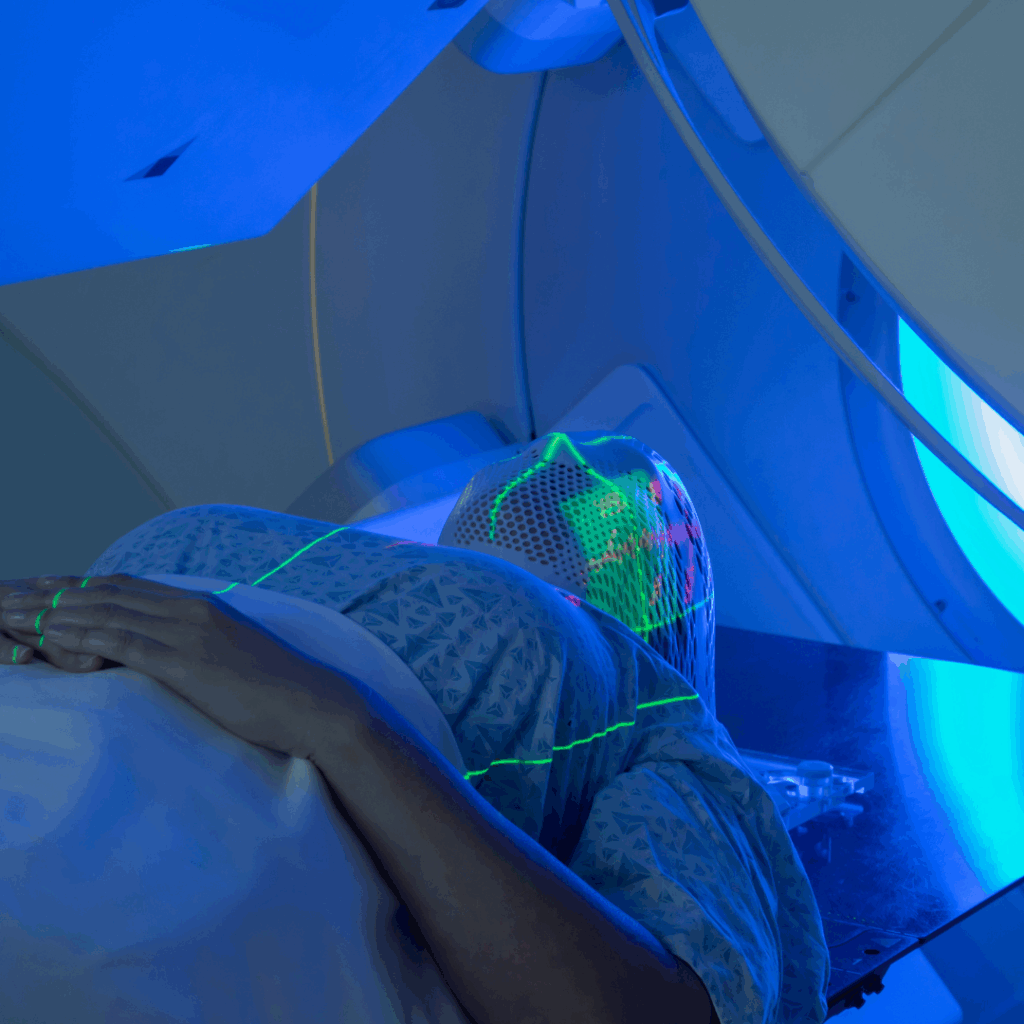
Treatment for head and neck cancer usually involves a combination of surgery, radiation therapy, and chemotherapy, depending on the type, stage, and location of the cancer. Surgery may be performed to remove the tumor or affected tissues, and in some cases, reconstructive procedures are required to restore appearance and function. Radiation therapy uses high-energy beams to target and destroy cancer cells, often serving as the main treatment for early-stage cancers or as a follow-up after surgery.
For advanced stages, chemotherapy is often combined with radiation therapy (chemoradiation) to enhance effectiveness. Chemotherapy involves the use of powerful drugs to kill cancer cells or prevent them from multiplying. Targeted therapy and immunotherapy are also increasingly being used in head and neck cancers. These advanced treatments either block specific growth signals of cancer cells or boost the body’s immune system to fight cancer more effectively, offering new hope for patients with recurrent or metastatic disease.
Cost of Treatment for Head and Neck Cancer in India
The cost of treatment for head and neck cancer in India can vary widely depending on factors such as the type of cancer, stage, treatment method, and the hospital’s location and reputation.
Generally, the cost includes consultations, diagnostic tests, surgery, radiation therapy, chemotherapy, and follow-up care. On average, the cost can range from INR 2 lakhs to INR 10 lakhs or more for a complete treatment cycle. For advanced stages, treatment may require more extensive procedures, leading to higher expenses.
Some government hospitals may offer lower costs, while private hospitals tend to charge more. Financial assistance and insurance coverage can help manage these costs.
How We Can Help?
We also provide long-term support for those who have gone through treatments and need further assistance. Our team of specialists at the clinic will be with them every step of the way and even after they finish their treatment.
We offer practical advice on how to navigate life in a new environment, while also providing psychological support and counseling to help individuals adjust back into daily life as quickly as possible.
Finally, we are committed to helping our patients build a foundation that helps them live healthy and productive lives after receiving treatment. This can include setting up personalised recovery plans, recommending lifestyle habits such as exercise or nutrition counselling, or even referring patients to other services like rehabilitation programmes when needed.  Do To know more you can follow us on Facebook.