





Heart Diseases

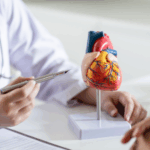
Heart Diseases: What Is It?

Heart disease, also known as cardiovascular disease, refers to a range of conditions that affect the heart and blood vessels. These conditions include coronary artery disease, heart rhythm disorders, heart valve problems, and congenital heart defects, among others. Heart disease is one of the leading causes of death globally, and it often develops due to a combination of lifestyle, genetic, and environmental factors.

The most common form of heart disease is coronary artery disease, which occurs when the blood vessels supplying the heart become narrowed or blocked due to plaque buildup. This can lead to chest pain (angina), heart attacks, or other serious complications. Other heart conditions, such as arrhythmias or heart valve disorders, can disrupt the heart’s normal function, leading to fatigue, shortness of breath, or even heart failure if left untreated.

Heart disease often develops gradually over time, making early detection and management crucial.

Comprehensive Guide on Heart Diseases

Pacemaker implantation is a surgical procedure where a small electronic device, called a pacemaker, is implanted under the skin to help regulate the heartbeat.  This device sends electrical impulses to the heart to maintain a regular rhythm when the heart’s natural pacemaker is not functioning properly. Pacemakers are typically used to treat conditions such as bradycardia (slow heart rate) and certain types of heart block.

Causes and Risk Factors

Heart disease can develop due to a combination of genetic, lifestyle, and environmental factors. One of the primary causes is atherosclerosis, a condition where plaque builds up in the arteries, restricting blood flow to the heart.

Other causes include high blood pressure, which strains the heart, and abnormal heart rhythms that interfere with normal heart function. Additionally, certain congenital conditions and infections affecting the heart can contribute to cardiovascular problems.

Lifestyle choices play a significant role in increasing the risk of heart disease. Poor dietary habits, such as consuming excessive saturated fats, sugar, and processed foods, can lead to obesity, high cholesterol, and diabetes, all of which are major risk factors. 

Faster Results

Faster results can be achieved by adopting a consistent heart-healthy lifestyle, including regular exercise and a balanced diet. 

Customized Treatments

Customized treatments are designed to address each patient’s unique heart condition and risk factors. 

Minimally Invasive Approach

Instead of one large incision, the surgeon operates through a few small keyhole incisions. This leads to less blood loss, reduced need for blood transfusions, and minimal scarring.

Make Your Health Journey to India Seamless & Stress-Free

In a country known for world-class care and compassion, don’t get lost in the process. Start your healing with guidance you can trust.

No hidden charges. Just honest, personalised advice to make your medical trip to India safe and successful.

What Factors Lead To Teeth Whitening?

Advanced Medical Technology and Training

Modern cardiology has benefited immensely from advanced medical technology, enabling more accurate diagnosis and effective treatment of heart diseases. Innovations such as 3D imaging, cardiac MRI, CT scans, and minimally invasive surgical tools allow doctors to detect problems early and perform precise interventions with reduced risk and faster recovery. Additionally, wearable devices and remote monitoring systems help track heart health in real-time, providing critical data for timely medical decisions.

Clinical Benefits for Patient Outcomes

Advanced treatments and interventions for heart disease provide significant clinical benefits, improving both survival rates and quality of life. Patients experience reduced symptoms such as chest pain, shortness of breath, and fatigue, allowing them to return to daily activities more comfortably and quickly. Minimally invasive procedures also lower the risk of complications and shorten hospital stays, contributing to faster overall recovery. In addition, personalised treatment plans and continuous monitoring help prevent disease progression and reduce the likelihood of future cardiac events.

Surgeon Expertise and Patient Preference

The expertise of a cardiologist or cardiac surgeon plays a crucial role in the success of heart disease treatment. Highly trained surgeons with experience in advanced procedures, such as minimally invasive surgery or robotic-assisted interventions, can perform complex operations with greater precision, reducing risks and improving recovery outcomes. Their knowledge also allows for better decision-making when choosing the most appropriate treatment for each patient’s unique condition. Patient preference is equally important in determining the treatment approach.

The Heart Diseases Procedure

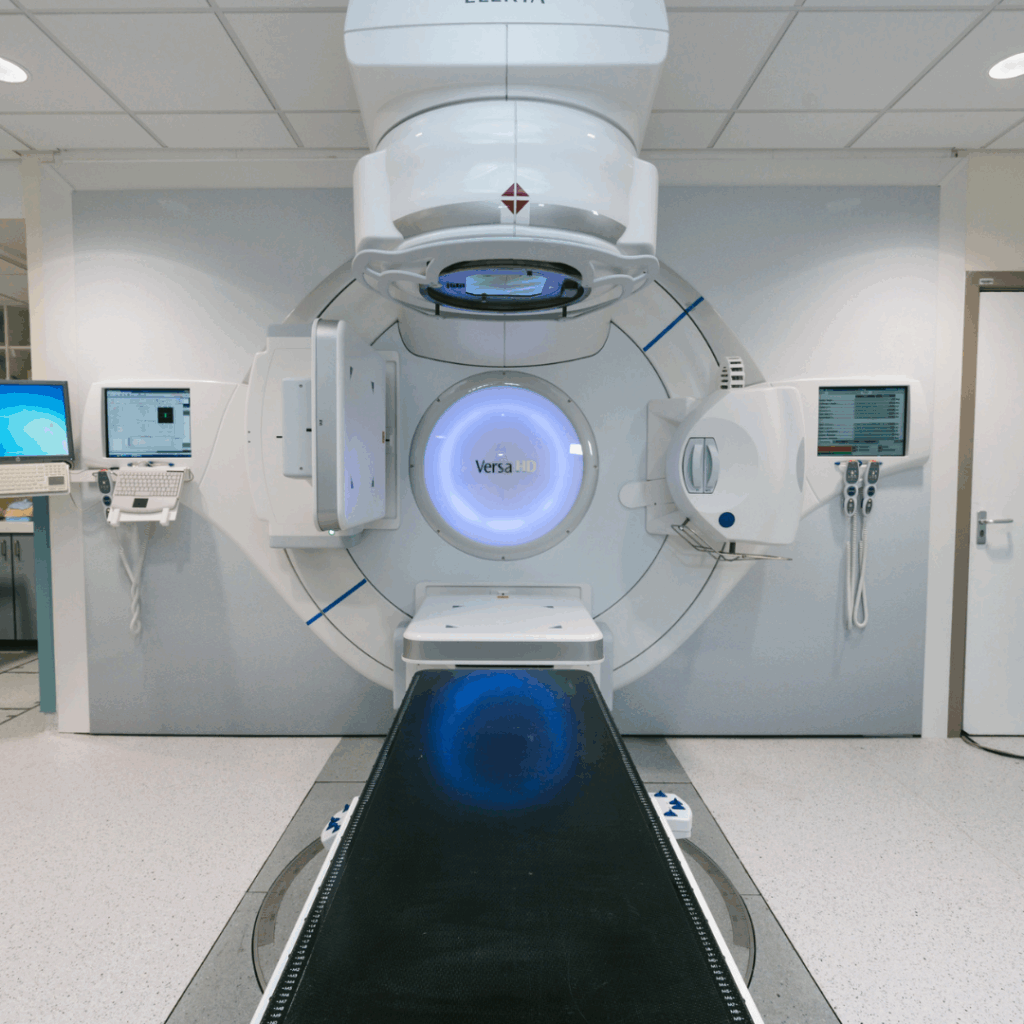
The procedure for treating heart disease depends on the specific condition and its severity. For coronary artery disease, procedures like angioplasty and stent placement are commonly performed to open blocked arteries and restore proper blood flow.

In more severe cases, coronary artery bypass grafting (CABG) may be recommended, where surgeons create new pathways for blood to reach the heart muscle.

Other heart conditions may require different interventions. For example, valve repair or replacement surgeries address malfunctioning heart valves, while procedures like pacemaker or implantable cardioverter-defibrillator (ICD) implantation help manage abnormal heart rhythms.

Non-surgical approaches, such as medication management and lifestyle modifications, often complement these procedures to ensure long-term heart health and prevent recurrence of symptoms.

Risks and Considerations

Like any medical treatment, procedures for heart disease carry certain risks that patients should be aware of. Common risks include bleeding, infection, blood clots, or adverse reactions to anesthesia.

Specific procedures may also have unique complications—for example, angioplasty may lead to artery re-narrowing, while heart surgery carries risks of arrhythmias or heart attack.

Patient health, age, and underlying conditions play a significant role in determining potential complications. Careful pre-procedure evaluation, adherence to medical advice, and post-procedure monitoring help minimise risks.

Open communication with the cardiologist about concerns and expectations ensures that patients make informed decisions and achieve the safest possible outcomes.

How We Can Help?

We also provide long-term support for those who have gone through treatments and need further assistance. Our team of specialists at the clinic will be with them every step of the way and even after they finish their treatment.

We offer practical advice on how to navigate life in a new environment, while also providing psychological support and counseling to help individuals adjust back into daily life as quickly as possible.

Finally, we are committed to helping our patients build a foundation that helps them live healthy and productive lives after receiving treatment. This can include setting up personalised recovery plans, recommending lifestyle habits such as exercise or nutrition counselling, or even referring patients to other services like rehabilitation programmes when needed.  Do To know more you can follow us on Facebook.