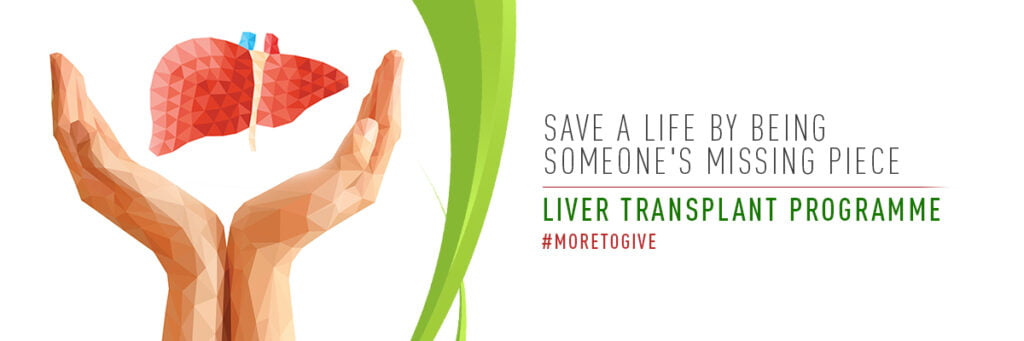


Heart transplant surgery in India is a lifesaving procedure that involves replacing a failing or damaged heart with a healthy donor organ. This surgery offers hope to individuals suffering from end-stage heart failure. During the procedure, surgeons remove the diseased heart and replace it with a healthy one from a donor. If you’re considering this procedure, understanding the Heart Transplant Cost in India is essential for planning your treatment.
However, despite these advancements there is still risk involved when undergoing this major surgery – patients may experience complications such as infection or rejection of the donor organ. It is important that both doctors and patients understand all of these risks before proceeding with this kind of transplantation so they can make informed decisions about their care plan going forward into recovery.


A heart transplant india is a complex surgical procedure that involves the replacement of a diseased or damaged heart with a healthy donor heart. After carefully selecting and evaluating donors, surgeons must perform an extensive series of tests to ensure compatibility between the donor and recipient.
Although transplantation surgery has been performed for many years, it still requires thorough planning and preparation. Before undergoing the procedure, patients must complete several forms to provide medical professionals with their health history and condition details. Proper documentation is essential for a successful surgery. Heart Transplant Cost in India varies based on medical facilities and patient needs.
These include consent forms authorizing treatment, questionnaires about allergies and infections, and a list of medications taken in the past year. If applicable, insurance documents and organ donor cards should also be included. Additionally, laboratory test results, including blood typing, family medical history, biopsy reports (if applicable), and X-rays or CT scans showing the current state of the organs are required. A psychological evaluation report assessing mental readiness and legal opinions on ethical considerations may also be necessary. For the best care, consider a Top Hospital in India for your procedure.
Other signs and symptoms may include swelling in the ankles, legs, or abdomen; frequent nighttime urination; rapid weight gain from fluid retention; dizziness or lightheadedness; persistent cough or wheezing with white, foamy mucus; chest pain or tightness; irregular heartbeat (arrhythmia); reduced appetite; and nausea. If left untreated, heart failure can lead to severe complications like pulmonary edema, where excess fluid in the lungs causes breathing difficulties, even while lying down. Understanding these symptoms is crucial, especially when considering treatment options and the Heart Transplant Cost in India.


Heart failure is a critical condition impacting millions worldwide. It happens when the heart struggles to pump blood efficiently, failing to meet the body’s demands. Various factors, such as high blood pressure, coronary artery disease, and diabetes, can contribute to heart failure. In severe cases, Heart Transplant Treatment in India offers a life-saving option for patients needing advanced medical intervention.
High levels of cholesterol and triglycerides in the bloodstream can also contribute to an increased risk for developing heart failure. Other risks include obesity, excessive alcohol consumption, smoking, viral infections such as HIV/AIDS or hepatitis C virus (HCV), certain medications and genetics. People with a family history of cardiovascular disease are more likely to develop it than those without such a history.
You can easily find out the location of each facility and read reviews from other patients who have received treatments there before. With us by your side helping with everything related to your medical needs, you will feel more confident going into any situation knowing that someone has done their homework for them.
Welcome to Indian Health Adviser, your trusted source for information on heart transplant in India. If you’re considering a heart transplant, it’s crucial to understand the associated costs, the top hospitals, and the surgical process.
Heart Transplant Cost India: The cost of a heart transplant in India is significantly lower compared to many Western countries. On average, it ranges from $50,000 to $70,000. This affordability makes India an attractive destination for international patients seeking high-quality medical care.
Heart Transplant Procedure in India: India boasts a well-established medical infrastructure and a skilled team of cardiac surgeons. A heart transplant is a complex procedure, involving the replacement of a damaged heart with a healthy one from a donor. The surgery typically takes several hours and demands a multi-disciplinary approach.
Best Heart Transplant Hospital in India: Several hospitals in India have earned a reputation for excellence in heart transplants. Prominent institutions such as Apollo Hospitals, Fortis Healthcare, and Medanta – The Medicity, offer state-of-the-art facilities and a high success rate in heart transplant surgeries.
In conclusion, India is an ideal destination for heart transplant surgery india, thanks to its cost-effectiveness, world-class hospitals, and proficient medical professionals. For more information and assistance, rely on Indian Health Adviser to guide you through this life-changing journey. Do To know more you can follow us on Facebook.
Indian Health Adviser (IHA) is a healthcare facilitator seeking to make health and wellness easier for people of international residents, their families, and their friends.
Designed by Acmeinfolabs