








Liposuction

Liposuction: What Is It?

Liposuction is a popular cosmetic surgical procedure that focuses on the removal of excess fat deposits from targeted areas of the body in order to enhance shape, contour, and overall proportion. Unlike general weight-loss methods such as diet and exercise, liposuction is not intended to reduce overall body weight or serve as a treatment for obesity.

Instead, it is designed to address specific areas of stubborn fat that tend to persist despite consistent efforts at healthy eating and physical activity.

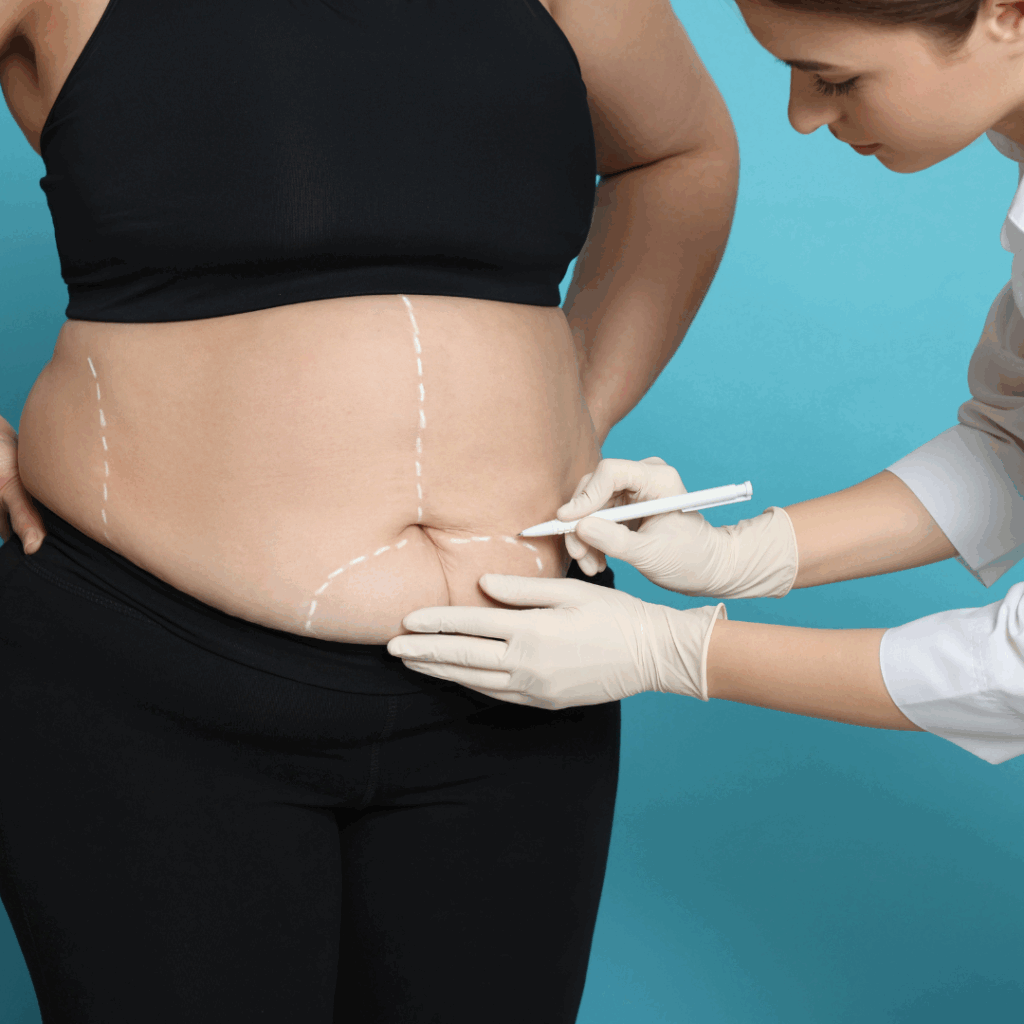
Common treatment areas include the abdomen, thighs, hips, buttocks, arms, back, chest, and even smaller regions like the chin or neck. The goal of liposuction is to create a more sculpted and balanced appearance by refining the body’s natural lines.

For many patients, the procedure offers improved self-confidence and satisfaction with their body image, particularly when other approaches have failed to deliver the desired results.

Procedure Overview

Preparation: Before the procedure, a thorough medical evaluation is conducted. The surgeon discusses the patient’s goals, expectations, and any potential risks. Pre-operative instructions may include avoiding certain medications that can increase the risk of bleeding.

Anesthesia: Liposuction is typically performed under general anesthesia or local anesthesia with sedation, depending on the extent of the procedure.

Techniques: There are various liposuction techniques, including traditional liposuction, tumescent liposuction, ultrasound-assisted liposuction (UAL), and laser-assisted liposuction (LAL). Each method has its unique advantages and may be chosen based on the patient’s needs and the surgeon’s expertise.

Causes and Risk Factors

Excess fat deposits in certain areas of the body can occur due to a variety of causes and contributing factors. These stubborn fat pockets often do not respond well to traditional weight-loss methods such as diet and exercise, making them difficult to manage. Some of the most common causes and risk factors include:

1. Genetic Predisposition

  • Genetics play a significant role in how and where the body stores fat.

2. Hormonal Changes

  • Hormonal fluctuations, especially in women during pregnancy, menopause, or due to certain medical conditions, can contribute to uneven fat distribution.

Clear Recognition of Symptoms

Recognising the signs of stubborn fat deposits is an important step in understanding whether liposuction may be a suitable option. 

Faster Intervention and Better Outcomes

Early recognition of stubborn fat deposits and timely consideration of treatment options can lead to faster intervention and more satisfying results.

Minimally Invasive Approach

Instead of one large incision, the surgeon operates through a few small keyhole incisions. This leads to less blood loss, reduced need for blood transfusions, and minimal scarring.

Make Your Health Journey to India Seamless & Stress-Free

In a country known for world-class care and compassion, don’t get lost in the process. Start your healing with guidance you can trust.

No hidden charges. Just honest, personalised advice to make your medical trip to India safe and successful.

What Factors Lead To Liposuction?

Advanced Medical Technology and Training

A key factor in modern liposuction is the advancement of surgical technologies, including power-assisted liposuction (PAL), ultrasound-assisted liposuction (UAL), laser-assisted liposuction (LAL), and tumescent techniques. These innovations allow surgeons to remove fat with greater precision, safety, and efficiency compared to traditional methods. Enhanced tools and techniques provide improved control, less trauma to surrounding tissues, and more refined body contouring results for patients.

Clinical Benefits for Patient Outcomes

Advanced liposuction approaches offer a wide range of benefits for patients seeking body contouring. Minimally invasive techniques often result in reduced blood loss, smaller incisions, and less post-operative discomfort compared to older methods. Patients typically experience shorter recovery times, minimal scarring, and faster returns to daily activities. Precision in fat removal also helps create smoother, more natural-looking body contours, enhancing confidence and overall satisfaction with the results.

Surgeon Expertise and Patient Preference

The growing adoption of advanced liposuction techniques is closely linked to surgeon expertise and patient demand. More cosmetic surgeons are receiving specialised training in modern approaches such as laser-assisted or ultrasound-guided liposuction, ensuring higher standards of care and outcomes. At the same time, patients are increasingly choosing these advanced methods for their safety, efficiency, and quicker recovery process. With continuous improvements in technology.

The Liposuction Process

Liposuction is a carefully planned surgical procedure designed to remove excess fat and improve body contour. The process begins with an initial consultation, where the surgeon evaluates the patient’s goals, medical history, and physical condition to determine suitability for the procedure.

Pre-operative planning may include identifying target areas, discussing the most effective technique, and explaining the expected results, recovery time, and potential risks.

This step ensures that the patient has a clear understanding of the procedure and realistic expectations.

During the surgery, local anaesthesia, general anaesthesia, or intravenous sedation may be administered depending on the extent of the treatment and patient preference.

The surgeon then makes small, discreet incisions near the treatment area. 

Risks and Considerations

Like any surgical procedure, liposuction carries certain risks that patients should carefully consider before undergoing treatment. While modern techniques have significantly improved safety and reduced complications, it is important to understand that liposuction is still an invasive procedure. Common risks may include bruising, swelling, numbness, temporary fluid accumulation, and minor scarring at the incision sites. These effects are usually temporary and improve with proper care during recovery.

In some cases, more serious complications can occur, although they are rare when the surgery is performed by a qualified and experienced surgeon. Potential risks may include infection, blood clots, uneven contours, skin irregularities, or anaesthesia-related side effects. Patients with pre-existing health conditions such as diabetes, heart disease, or problems with blood clotting may face higher risks and should undergo a thorough medical evaluation before the procedure.

Beyond medical risks, patients must also consider realistic expectations when choosing liposuction. 

How We Can Help?

We also provide long-term support for those who have gone through treatments and need further assistance. Our team of specialists at the clinic will be with them every step of the way and even after they finish their treatment.

We offer practical advice on how to navigate life in a new environment, while also providing psychological support and counseling to help individuals adjust back into daily life as quickly as possible.

Finally, we are committed to helping our patients build a foundation that helps them live healthy and productive lives after receiving treatment. This can include setting up personalised recovery plans, recommending lifestyle habits such as exercise or nutrition counselling, or even referring patients to other services like rehabilitation programmes when needed.  Do To know more you can follow us on Facebook.