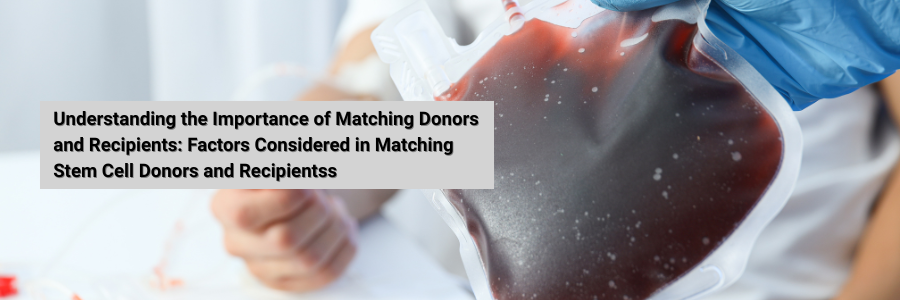
Matching Donors and Recipients in Bone Marrow Transplantation
Matching donors and recipients is one of the most critical aspects of modern transplantation medicine. Whether it involves a solid organ transplant or a bone marrow transplant procedure, the success of the treatment depends heavily on how closely the donor and recipient align in terms of biological and immunological characteristics. When it comes to stem cell and bone marrow transplantation, this process becomes even more complex and sensitive.
In this comprehensive guide, we will explore why matching donors and recipients is essential, what factors are considered in the bone marrow donation matching criteria, and how following proper bone marrow matching criteria helps ensure a safe and successful transplant.
Why Matching Donors and Recipients Matters
The primary goal of transplantation is to replace a damaged or diseased organ, tissue, or bone marrow with a healthy one. However, the human body is naturally programmed to recognize and attack anything it perceives as foreign. This immune response protects us from infections, but it poses challenges when introducing donor cells or tissues.
When a donor is not a good match for a recipient, the immune system may identify the transplanted cells as a threat. This triggers a rejection response, potentially damaging or destroying the new tissue. In bone marrow transplantation, such mismatches can lead to a serious condition known as graft-versus-host disease (GVHD), where the donor’s immune cells attack the recipient’s body.
Successful transplantation depends on finding the closest possible match to minimize these risks, improve recovery, and maximize the long-term success of the procedure.
The Relationship Between Matching and Transplant Success
Reducing the Risk of Rejection: A close match between donor and recipient reduces the chances of the immune system attacking the transplanted cells. In bone marrow transplants, where immune cells themselves are transplanted, precise matching is even more vital.
Improving Functionality of the Transplanted Cells: A well-matched donor ensures that the new stem cells can properly create new blood cells, immune cells, and platelets. This is particularly critical for patients recovering from blood cancers, bone marrow failure syndromes, or genetic blood disorders.
Lowering the Risk of Complications: Complications following transplantation can range from infections to immune reactions and organ failure. Matching donors and recipients closely decreases the likelihood of such complications, helping recipients recover faster and return to a healthier quality of life.
Factors Considered in Matching Stem Cell Donors and Recipients
Matching is a highly detailed medical process, involving several biological, medical, and immunological assessments. The key components of bone marrow donation matching criteria include:
Blood Type Compatibility
While blood type is a primary consideration for organ transplants, it is less critical for bone marrow transplants. However, it still plays a role in determining compatibility, as mismatched blood types can sometimes complicate recovery.
Human Leukocyte Antigen (HLA) Matching
HLA proteins are found on the surface of cells and act as markers that help the immune system distinguish between self and non-self. The most important factor in bone marrow matching criteria is the HLA profile. Doctors typically look at several HLA markers, and a closer match improves the chances of a successful transplant.
An ideal donor usually has a “10-out-of-10” HLA match with the recipient. Siblings are often the best chance for a perfect match, but unrelated donors are increasingly found through bone marrow registries worldwide.
Age and Health of the Donor
While not directly related to genetic compatibility, the donor’s age and general health can affect the transplant’s success. Younger donors tend to provide more robust and active stem cells, which can engraft more effectively.
Immunological Factors
The immune system’s current state in the recipient plays a major role. If a recipient has developed antibodies due to previous transfusions or pregnancies, finding a compatible donor becomes more challenging.
Medical Factors and Disease Type
The underlying reason for transplantation also influences donor selection. For example, some blood disorders may require more stringent matching compared to others, as the risk of graft-versus-host disease may vary depending on the disease type and treatment plan.
Bone Marrow Matching Criteria in Detail
Bone marrow transplantation is a life-saving therapy for many blood disorders, including leukemia, lymphoma, aplastic anemia, and sickle cell disease. Understanding the detailed bone marrow donation matching criteria helps patients and families prepare for the transplant journey.
HLA Typing: The cornerstone of bone marrow matching criteria, HLA typing ensures that the immune systems of donor and recipient are closely aligned. The better the HLA match, the lower the risk of immune-related complications.
Crossmatching Tests: Doctors may perform additional blood tests to identify any antibodies in the recipient’s blood that could react with the donor’s cells. This step is critical in avoiding severe immune reactions post-transplant.
Donor Availability and Willingness: Even when a perfect match is found, the donor must be available and healthy enough to proceed with the donation process. Registries worldwide play a vital role in connecting patients with willing and compatible donors.
Consideration of Non-Genetic Factors: Ethnicity and genetic background influence HLA diversity. Patients may have a better chance of finding a match within their ethnic group due to similar genetic patterns.
The Bone Marrow Transplant Procedure
Pre-Transplant Conditioning
The recipient undergoes chemotherapy or radiation to destroy diseased bone marrow and suppress the immune system, making room for the new donor cells to engraft.
Stem Cell Collection from the Donor
Peripheral Blood Stem Cell (PBSC) Collection: Stem cells are mobilized into the bloodstream using medication and then collected through a process called apheresis.
Bone Marrow Harvesting: Stem cells are extracted directly from the donor’s pelvic bone under anesthesia.
Transplantation (Infusion of Stem Cells)
The collected stem cells are infused into the recipient’s bloodstream through an IV line, similar to a blood transfusion.
Engraftment and Recovery
The transplanted stem cells travel to the bone marrow, where they begin producing new blood cells. This phase is closely monitored to ensure successful engraftment and to watch for signs of complications.
Long-Term Follow-Up
Patients require long-term monitoring for infections, graft-versus-host disease, and other complications, as well as to assess the overall success of the transplant.
Improving the Chances of a Successful Transplant
A successful bone marrow transplant relies on several factors, including timing, the patient’s overall health, and the quality of the donor match. Here are steps taken by medical teams to improve outcomes:
Extensive HLA Testing: Ensuring the best match possible through advanced molecular testing techniques.
Pre-Transplant Counseling: Preparing patients and families for the process, risks, and lifestyle adjustments.
Post-Transplant Care: Close monitoring, preventive medications, and prompt treatment of infections or immune reactions.
Donor Registry Expansion: Increasing global donor pool diversity to improve match availability for patients of all backgrounds.
Conclusion
Matching donors and recipients is the cornerstone of transplantation medicine, especially in bone marrow transplant procedures. Understanding the importance of bone marrow matching criteria and bone marrow donation matching criteria can make the difference between a life-saving cure and a failed transplant attempt. As medical technology and global donor registries advance, more patients worldwide are gaining access to compatible donors, offering hope for conditions that were once considered incurable.
By carefully evaluating factors such as HLA compatibility, immunological status, donor health, and medical urgency, healthcare teams can provide the safest, most effective treatments for patients in need of stem cell and bone marrow transplants. Ultimately, the precision and care taken in matching donors and recipients remain the foundation for giving patients a second chance at life.